

What we buy
Buying and evaluating your Historical Weapons

What They Are, How to Evaluate Them &
What Types Are Most Valuable
What Qualifies as Historical Weapons?
Historical weapons are defined as arms—both melee and ranged—that were manufactured and used in past centuries, typically before the 20th century. These include swords, daggers, spears, axes, bows, early firearms, and military equipment.
To qualify as historical, a weapon should be at least 100 years old and possess cultural, military, or artisanal significance.
Authentic historical weapons were often handmade by skilled armorers or gunsmiths and may reflect the technological, aesthetic, and martial standards of their time. These objects are valued not only as collectibles but also as artifacts that tell the story of warfare, craftsmanship, and society.
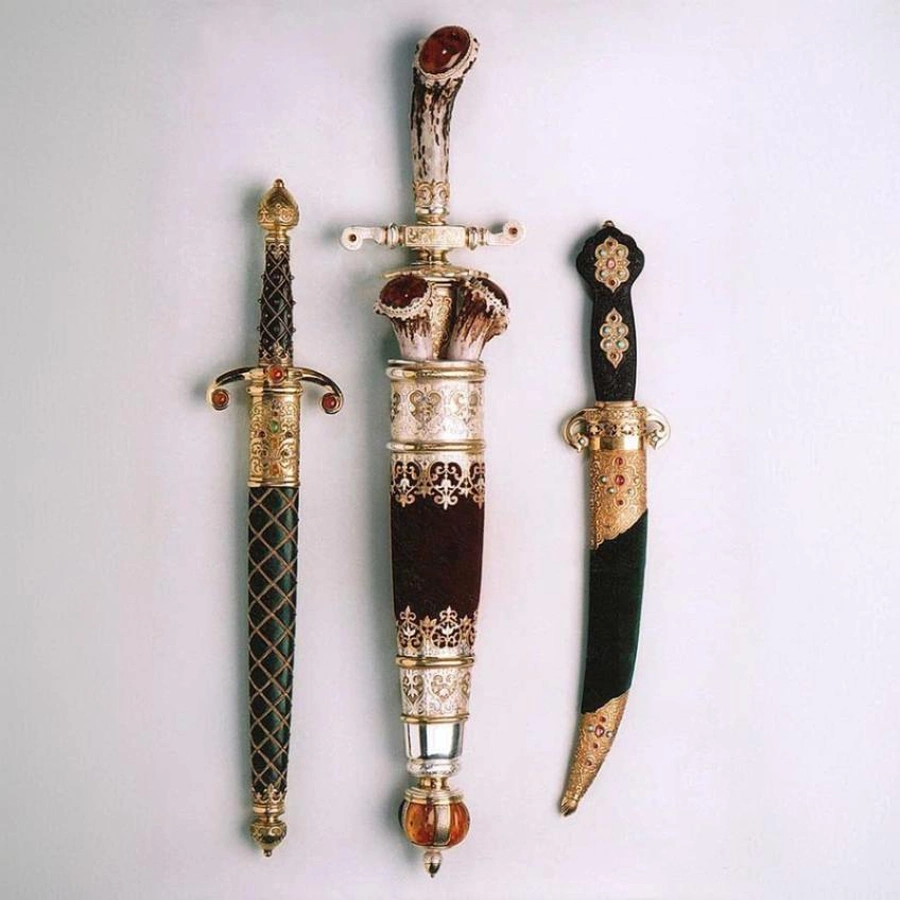
What They Are, How to Evaluate Them & What Types Are Most Valuable
What Qualifies as Historical Weapons?
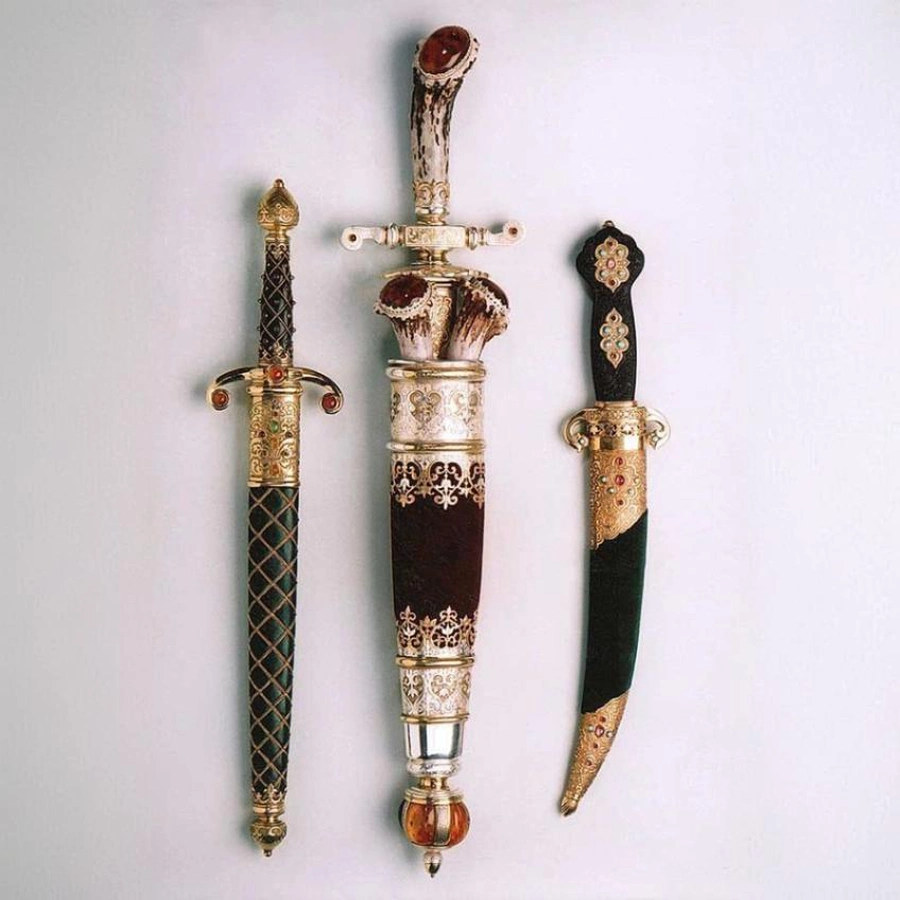
Historical weapons are defined as arms—both melee and ranged—that were manufactured and used in past centuries, typically before the 20th century. These include swords, daggers, spears, axes, bows, early firearms, and military equipment. To qualify as historical, a weapon should be at least 100 years old and possess cultural, military, or artisanal significance.
Authentic historical weapons were often handmade by skilled armorers or gunsmiths and may reflect the technological, aesthetic, and martial standards of their time. These objects are valued not only as collectibles but also as artifacts that tell the story of warfare, craftsmanship, and society.
Types of Historical Weapons
Historical weapons are typically categorized by:
Era: Medieval, Renaissance, Early Modern, or 18th–19th century.
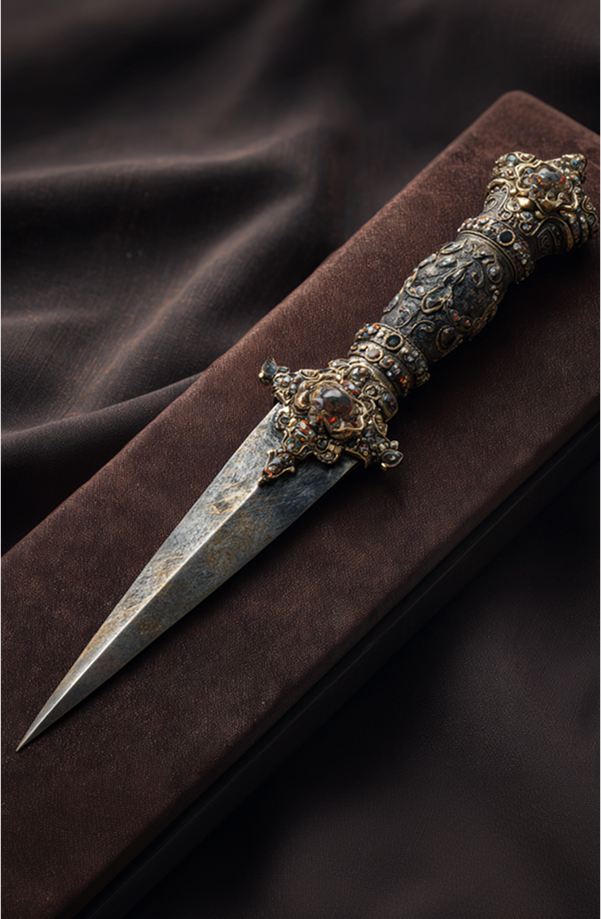
Geographic Origin: European (e.g. longswords, sabres), Middle Eastern (e.g. shamshirs, yataghans), Asian (e.g. katanas, dao), African (e.g. throwing spears), and early American firearms.
Weapon Type:
- Bladed weapons: swords, daggers, rapiers, sabres
- Polearms: halberds, pikes, glaives
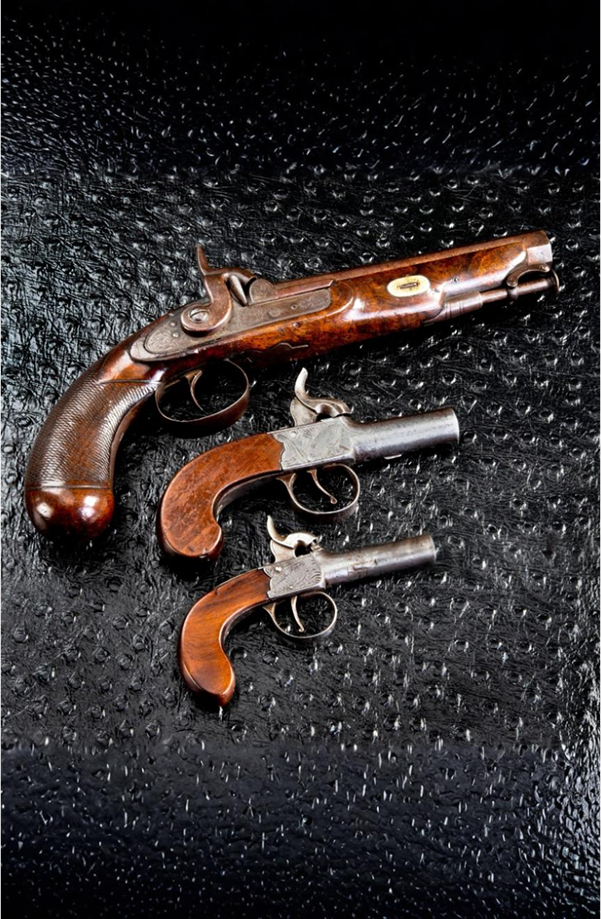
- Projectile weapons: crossbows, flintlocks, muskets
- Armor & Shields: often sold or collected alongside weapons
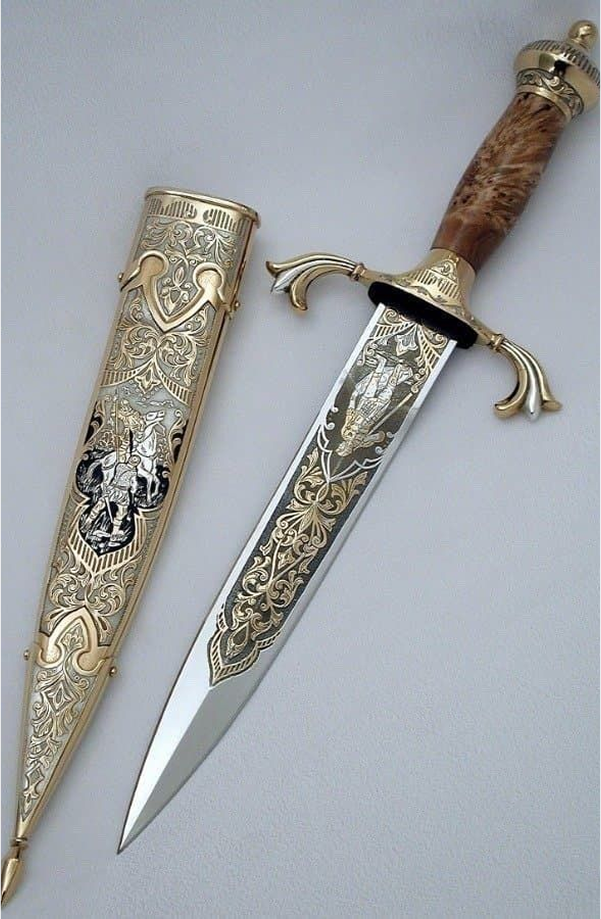
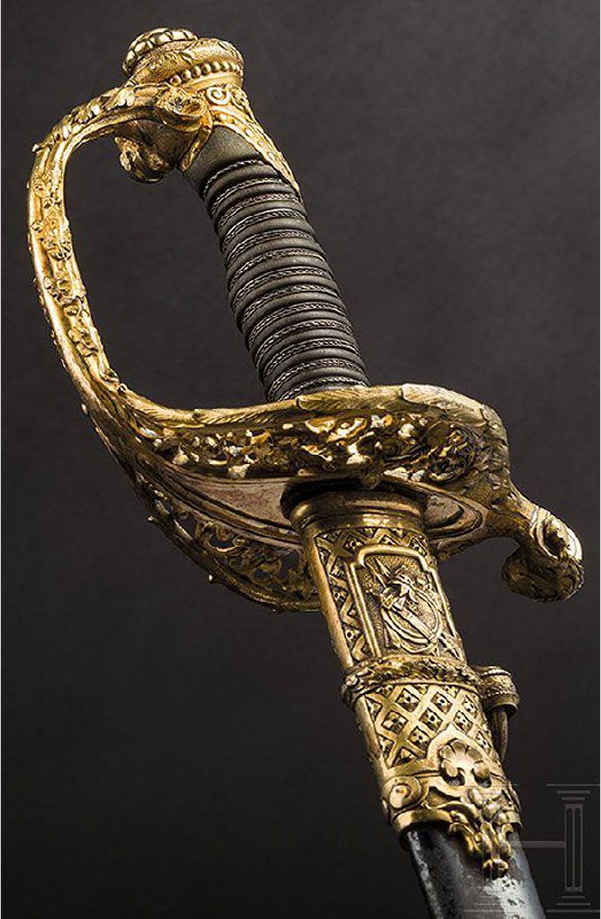
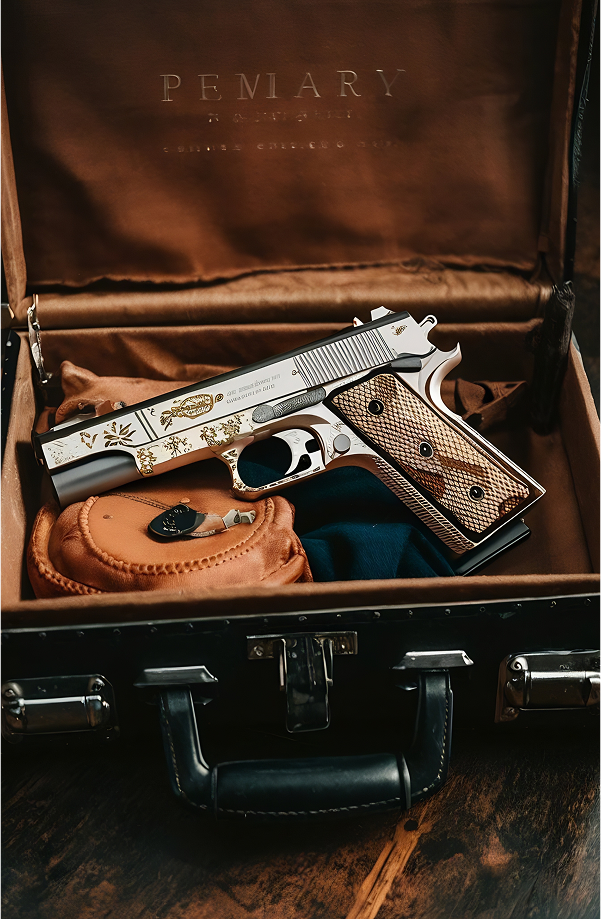
- Ceremonial or Decorative Arms: richly adorned, not intended for combat
Each type may be valued for its historical usage, rarity, decorative detail, or association with a specific culture or battle.
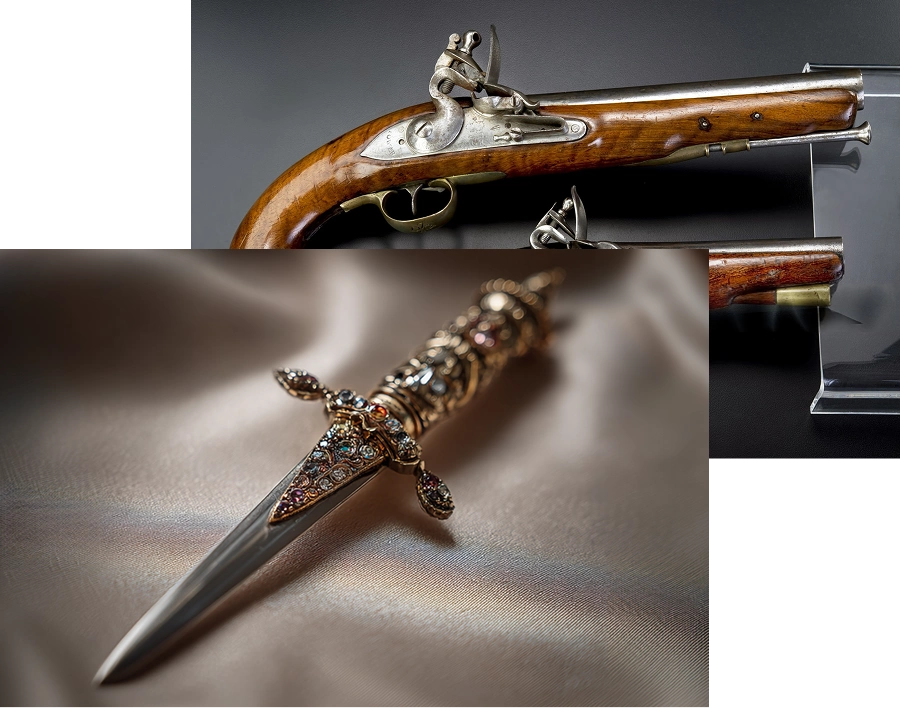
Types of Historical Weapons
Historical weapons are typically categorized by:
Era: Medieval, Renaissance, Early Modern, or 18th–19th century.
Geographic Origin: European (e.g. longswords, sabres), Middle Eastern (e.g. shamshirs, yataghans), Asian (e.g. katanas, dao), African (e.g. throwing spears), and early American firearms.
Weapon Type:
- Bladed weapons: swords, daggers, rapiers, sabres
- Polearms: halberds, pikes, glaives
- Projectile weapons: crossbows, flintlocks, muskets
- Armor & Shields: often sold or collected alongside weapons
- Ceremonial or Decorative Arms: richly adorned, not intended for combat
Each type may be valued for its historical usage, rarity, decorative detail, or association with a specific culture or battle.
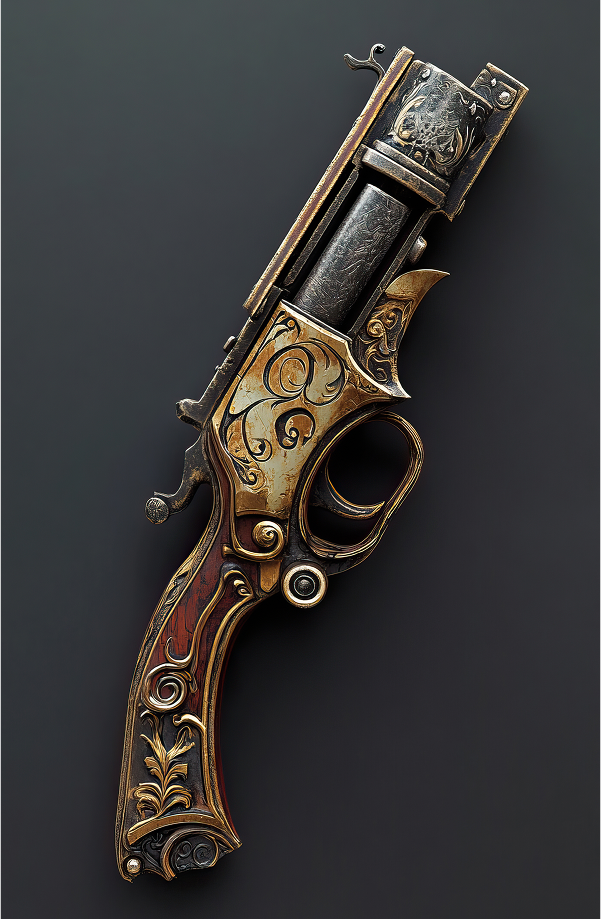
How to Evaluate Historical Weapons?
Evaluating historical weapons involves a combination of technical inspection and historical knowledge. Key criteria include:
- Authenticity: Confirming the item is not a reproduction. Age, materials, patina, and maker’s marks help verify legitimacy.
- Condition: Original, unrestored items in good condition are generally more valuable than heavily modified or damaged ones.
- Rarity and Provenance: Unique weapons or those linked to specific historical figures, units, or events are highly prized.
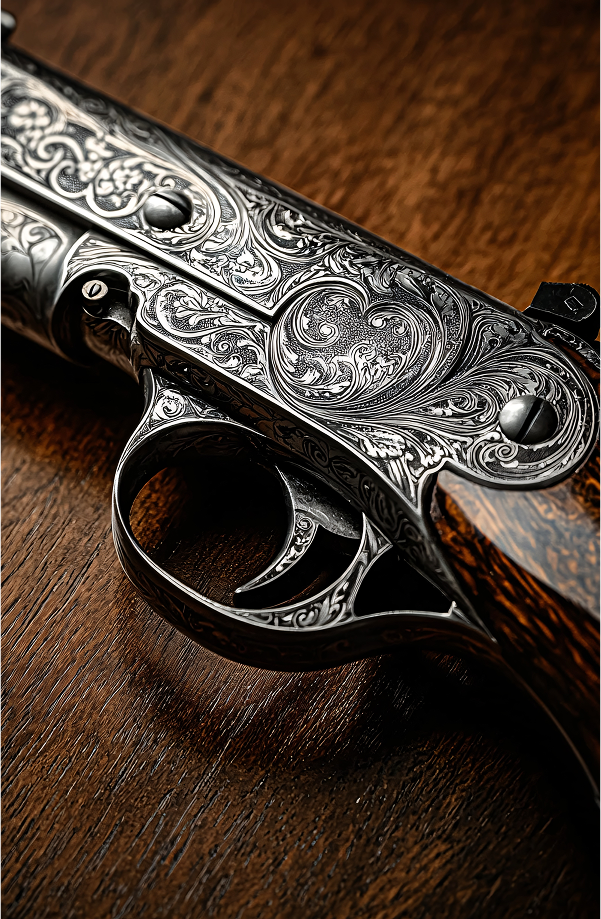
- Craftsmanship: Hand-forged detailing, inlays, engravings, and quality of materials affect desirability.
- Cultural and Military Context: Knowing the weapon’s role in historical conflicts or traditions adds to its narrative and monetary value.
Consulting arms and armor specialists, museum experts, or auction house appraisers is recommended for accurate assessment.
How to Sell Historical Weapons in Europe?
Selling historical weapons in Europe requires attention to legal regulations and appropriate marketplaces:
Antique Arms Dealers: Specialist shops in cities like London, Prague, Vienna, or Paris often purchase or consign rare pieces.
Auction Houses: Bonhams, Hermann Historica (Germany), Czerny’s (Italy), and Dorotheum (Austria) host arms and armor sales.
Collectors’ Fairs: Events like the Birmingham Arms Fair or the Antique Arms Fair in Switzerland are great for direct buyer connections.
Museums or Private Collections: Unique weapons may be of interest to institutions or themed collectors.
Online Platforms: Some European platforms allow legal listings of antique arms, though proof of age and compliance with local laws (e.g. deactivation, non-functionality) is often required.
Always research legal restrictions in your country (e.g. on edged weapons or black powder guns), and provide thorough documentation, photos, and provenance to support a sale.