img

What we buy

Buying and evaluating your Gold and Precious Metals

img

What They Are, How to Evaluate Them &
What Types Are Most Valuable

What Qualifies as "Antique" Gold or Precious Metal?

To be considered antique, a piece typically needs to be at least 100 years old. However, older vintage items (50+ years) can also be collectible if they show artistic or cultural value.

Key identifying features include:

  • Maker’s mark or hallmark indicating origin, purity, and date
  • Historical style (Victorian, Art Nouveau, Baroque, etc.)
  • Handcrafted elements like engraving, repoussé, or filigree
  • Use in historical context (e.g. royal commissions, religious use)
img
img

What They Are, How to Evaluate Them & What Types Are Most Valuable

What Qualifies as "Antique" Gold or Precious Metal?

img

To be considered antique, a piece typically needs to be at least 100 years old. However, older vintage items (50+ years) can also be collectible if they show artistic or cultural value.

Key identifying features include:

  • Maker’s mark or hallmark indicating origin, purity, and date
  • Historical style (Victorian, Art Nouveau, Baroque, etc.)
  • Handcrafted elements like engraving, repoussé, or filigree
  • Use in historical context (e.g. royal commissions, religious use)

Types of Antique Precious Metal Items

Antique gold and silver pieces come in many forms, each with their own collector market:

Most popular types:

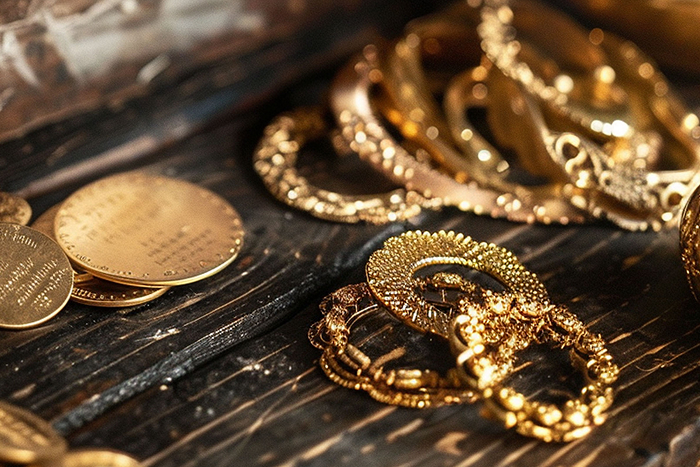
  • Jewelry: rings, brooches, necklaces with intricate design and gemstone settings
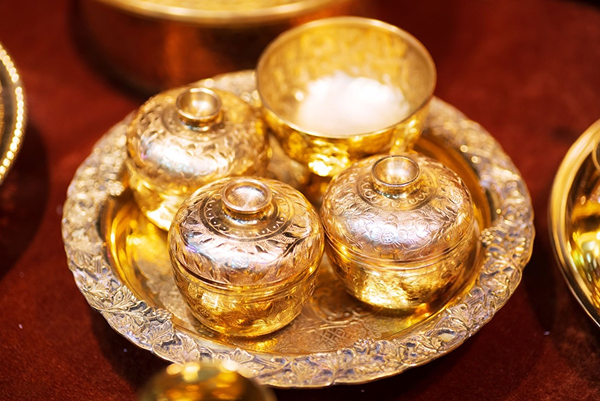
  • Household silverware: trays, cutlery, tea services from Britain, France, Germany, Scandinavia
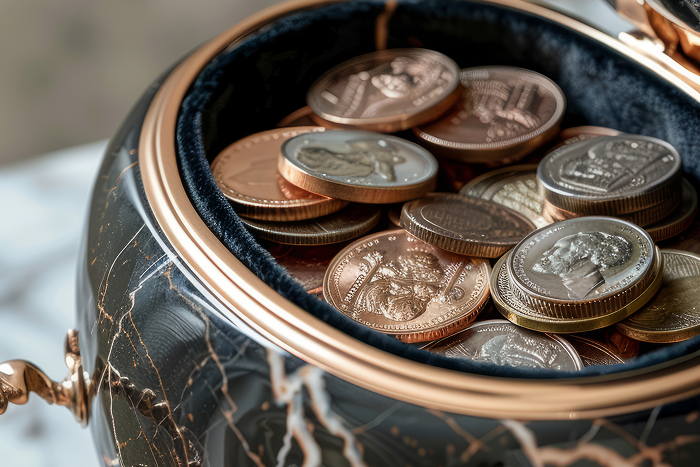
  • Coins and medals: rare mintages, commemoratives, and bullion from pre-1900s
  • Religious objects: crosses, icons, chalices made of silver or gilded metals
  • Watches and accessories: pocket watches, fobs, and early 20th-century timepieces in gold or platinum
img

Types of Antique Precious Metal Items

Antique gold and silver pieces come in many forms, each with their own collector market:

Most popular types:

  • Jewelry: rings, brooches, necklaces with intricate design and gemstone settings
  • Household silverware: trays, cutlery, tea services from Britain, France, Germany, Scandinavia
  • Coins and medals: rare mintages, commemoratives, and bullion from pre-1900s
  • Religious objects: crosses, icons, chalices made of silver or gilded metals
  • Watches and accessories: pocket watches, fobs, and early 20th-century timepieces in gold or platinum
img

How to Evaluate Antique Gold and Silver?

Evaluation of antique precious metals combines both material and artistic analysis:

Main criteria:

  • Purity: marked in carats (gold) or fineness (silver .800, .925 sterling, etc.)
  • Weight: only one component of the value, not the only one
  • Craftsmanship: hand-made vs. mass-produced
  • Condition: wear, patina, restoration history
  • Provenance: documentation or verifiable history boosts trust
  • Market interest: demand for specific styles, periods or regions (e.g. Austro-Hungarian Empire silver)

How and Where to Sell Antique Gold in Europe?

Selling antique gold or silver differs greatly from scrapping modern pieces. The goal is to preserve the artistic value and sell through the right channel to maximize return.

We offer:

  • Fair market appraisal, not melt price
  • Purchase offers within 24 hours
  • Assistance with documentation, packaging, and secure delivery
  • Connections with collectors and auction houses
  • Confidential and insured transactions

Upload your photo & leave a request — one of our experts will get in touch within 24 hours.​

    Získejte zdarma ocenění vašich starožitností


    *Please fill in all fields

    This site is protected by reCAPTCHA. The Google Privacy Policy and Terms of Service apply.