What we buy
Buying and evaluating your Antique Coins
What They Are, How to Evaluate Them &
What Types Are Most Valuable
What Qualifies as Antique Coins?
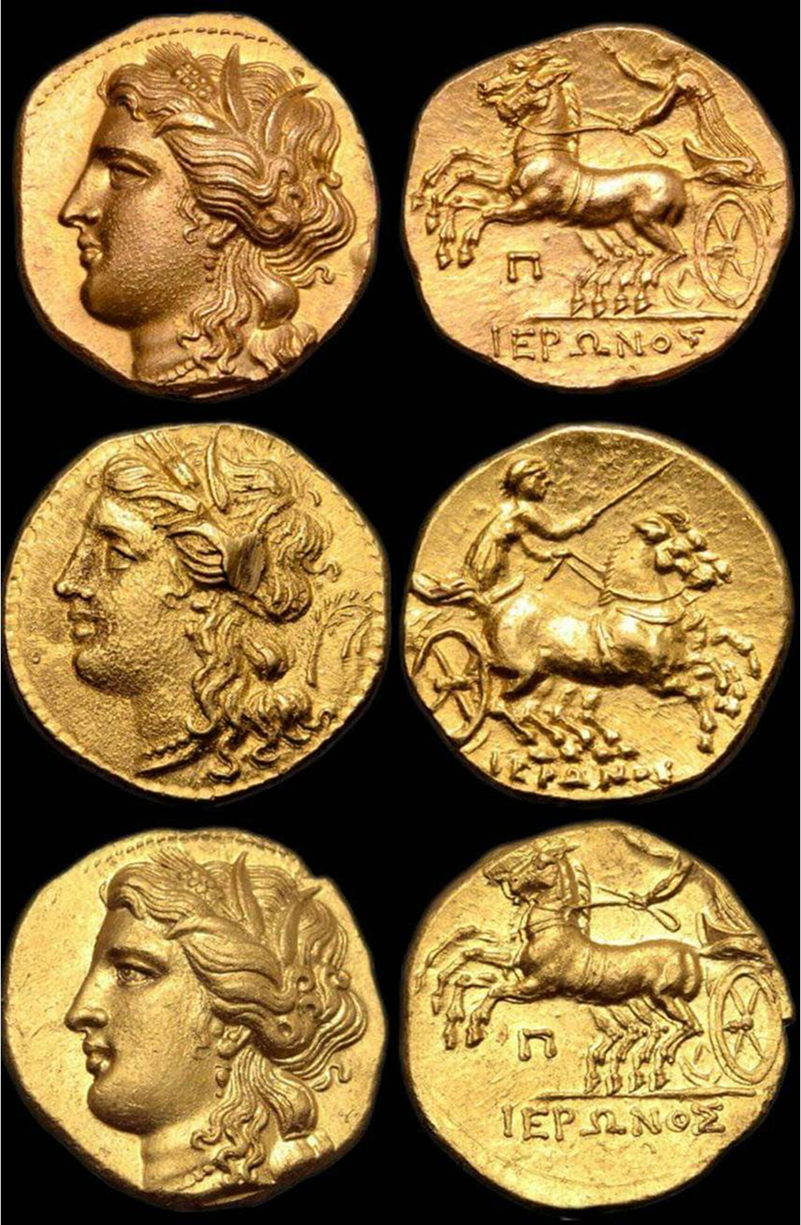
Antique coins are typically defined as coins that are over 100 years old and were produced using traditional minting techniques. These coins often carry historical, cultural, and artistic value, representing specific time periods, empires, or significant events.
Unlike modern collectibles, antique coins were often circulated and used in everyday life, which adds to their historical depth.
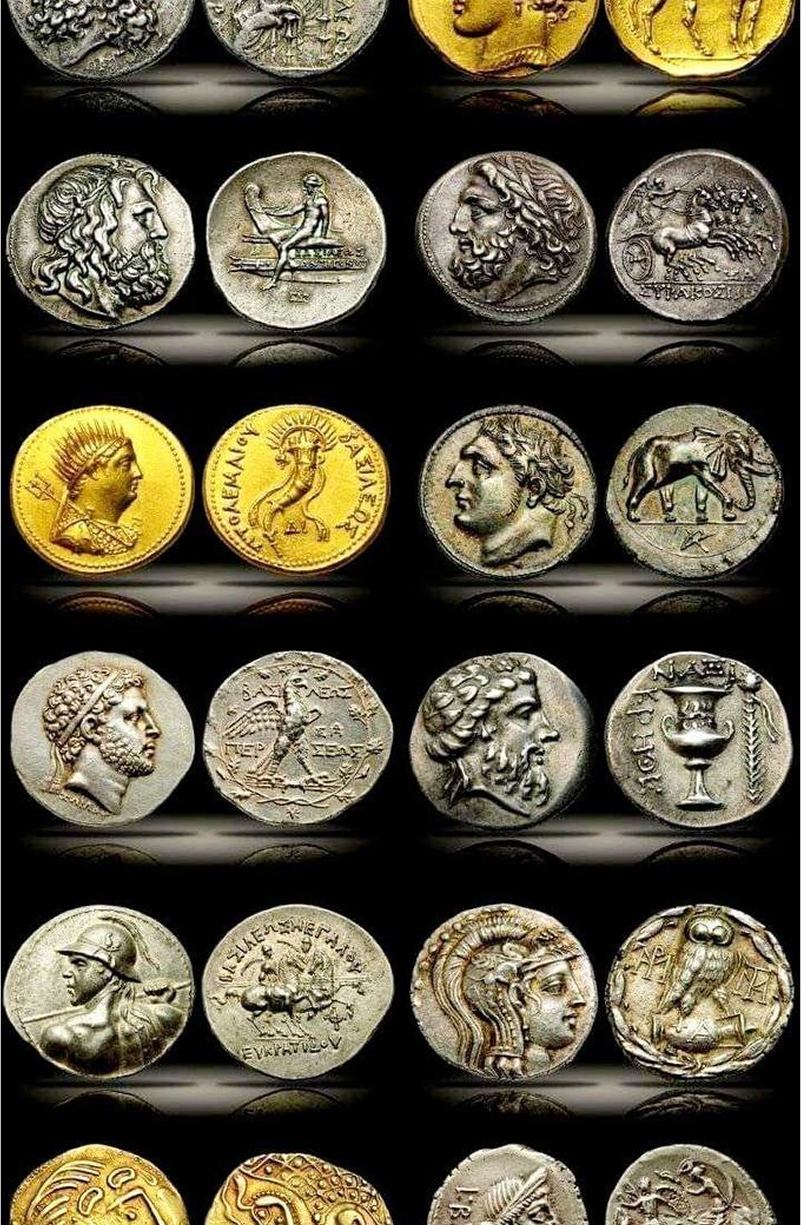
Coins from ancient civilizations like Greece, Rome, Byzantium, and early European kingdoms are classic examples. However, even 19th-century coins can qualify as antiques if they meet criteria such as age, rarity, and craftsmanship. Their condition, metal content (e.g., gold, silver, bronze), and historical context all contribute to their status and value.
What They Are, How to Evaluate Them & What Types Are Most Valuable
What Qualifies as Antique Coins?
Antique coins are typically defined as coins that are over 100 years old and were produced using traditional minting techniques. These coins often carry historical, cultural, and artistic value, representing specific time periods, empires, or significant events.
Unlike modern collectibles, antique coins were often circulated and used in everyday life, which adds to their historical depth.
Coins from ancient civilizations like Greece, Rome, Byzantium, and early European kingdoms are classic examples. However, even 19th-century coins can qualify as antiques if they meet criteria such as age, rarity, and craftsmanship. Their condition, metal content (e.g., gold, silver, bronze), and historical context all contribute to their status and value.
Types of Antique Coins
Antique coins come in a wide variety of types, often categorized by:
Era: Ancient (Greek, Roman, Persian), Medieval, Renaissance, or Pre-Modern Europe
Region: Roman Empire, Ottoman Empire, Napoleonic Europe, Tsarist Russia, etc.
Metal: Gold, silver, copper, bronze, or mixed alloys
Purpose: Circulating currency, ceremonial or commemorative issues, or trade coins
Examples include:
Denarii (Roman silver coins)
Drachmae (Ancient Greek)
Ducat (used in medieval and early modern Europe)
Thaler (precursor to the dollar)
Each type has its own aesthetic, monetary, and historical significance.
Types of Antique Coins
Antique coins come in a wide variety of types, often categorized by:
Era: Ancient (Greek, Roman, Persian), Medieval, Renaissance, or Pre-Modern Europe
Region: Roman Empire, Ottoman Empire, Napoleonic Europe, Tsarist Russia, etc.
Metal: Gold, silver, copper, bronze, or mixed alloys
Purpose: Circulating currency, ceremonial or commemorative issues, or trade coins
Examples include:
Denarii (Roman silver coins)
Drachmae (Ancient Greek)
Ducat (used in medieval and early modern Europe)
Thaler (precursor to the dollar)
Each type has its own aesthetic, monetary, and historical significance.


How to Evaluate Antique Coins?
When assessing antique coins, consider the following key factors:
Authenticity: Verifying the coin isn’t a replica or modern forgery is crucial.
Condition (Grade): The better preserved a coin is (minimal wear, clear inscriptions), the more valuable it tends to be.
Rarity: Coins with low mintage numbers or unique characteristics (e.g. minting errors) are highly sought after.
Historical Context: Coins linked to famous rulers, battles, or empires often carry premium value.
Metal Content: Gold and silver coins often carry intrinsic metal value in addition to collectible worth.
Provenance: Coins with documented history or prior ownership by a known collection may command higher prices.
Professional grading services and numismatic experts can help verify value and authenticity.
How to Sell Antique Coins in Europe?
There are several ways to sell antique coins in Europe:
Numismatic Dealers: Certified coin dealers across major European cities can appraise and purchase valuable items.
Auctions: Specialized auction houses like Künker (Germany), Roma Numismatics (UK), or CNG (US with European buyers) often sell high-value coins to collectors.
Coin Fairs and Expos: Events like the World Money Fair (Berlin) attract dealers and buyers from across Europe.
Online Platforms: Sites like MA-Shops, VCoins, and eBay (with proper verification) provide global exposure.
Museums or Private Collections: Rare, historically significant coins might attract interest from institutions or collectors.
Ensure that you have detailed photos, provenance documents, and if possible, certification from a grading authority to support your listing or sale.