

What we buy
Buying and evaluating your Antique Orders

What They Are, How to Evaluate Them &
What Types Are Most Valuable
What Qualifies as Antique Orders?
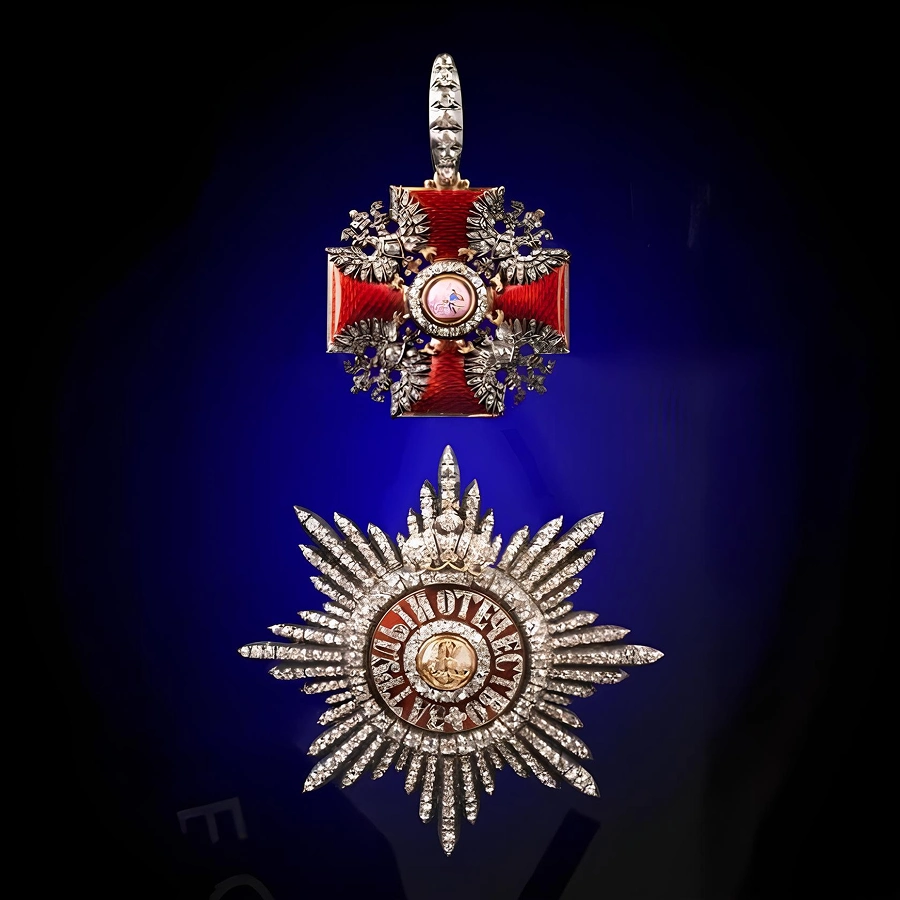
Antique orders refer to official medals, decorations, or insignia awarded by monarchies, governments, or military institutions that are at least 100 years old. These items often represent honorific or military recognition and carry significant historical, cultural, and collectible value.
To qualify as antique, an order must date back to a period before mass production and reflect the symbols, design, and materials typical of the issuing authority’s era. Orders from defunct empires (e.g., Austro-Hungarian, Russian Empire, Ottoman Empire) are especially valued for their rarity and historic context.
What They Are, How to Evaluate Them & What Types Are Most Valuable
What Qualifies as Antique Orders?
Antique orders refer to official medals, decorations, or insignia awarded by monarchies, governments, or military institutions that are at least 100 years old. These items often represent honorific or military recognition and carry significant historical, cultural, and collectible value.
To qualify as antique, an order must date back to a period before mass production and reflect the symbols, design, and materials typical of the issuing authority’s era. Orders from defunct empires (e.g., Austro-Hungarian, Russian Empire, Ottoman Empire) are especially valued for their rarity and historic context.
Types of Antique Orders
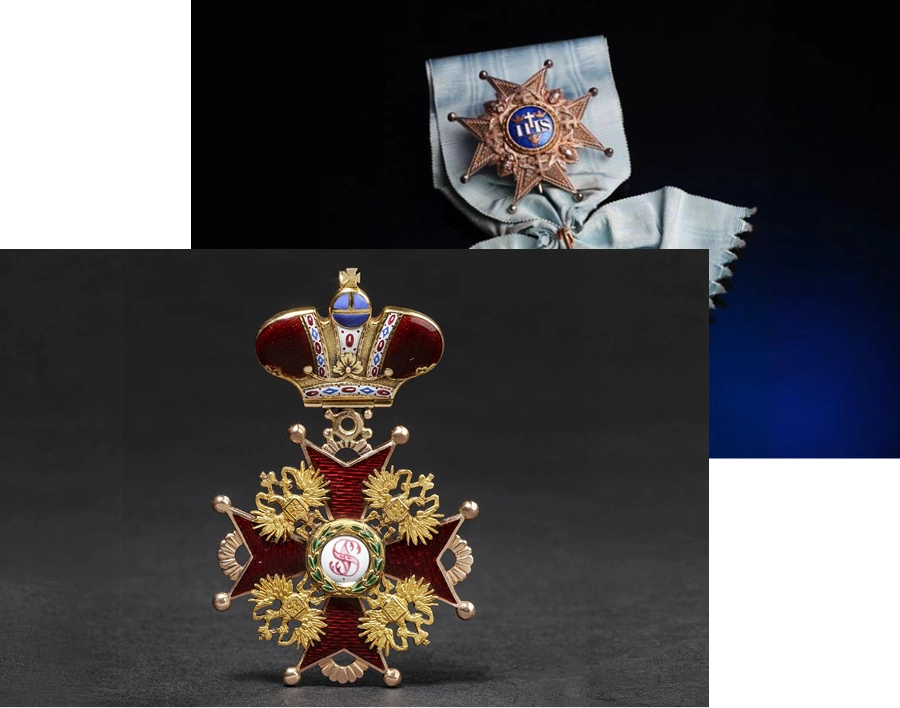
Antique orders can be classified based on origin, purpose, and status. Common categories include:
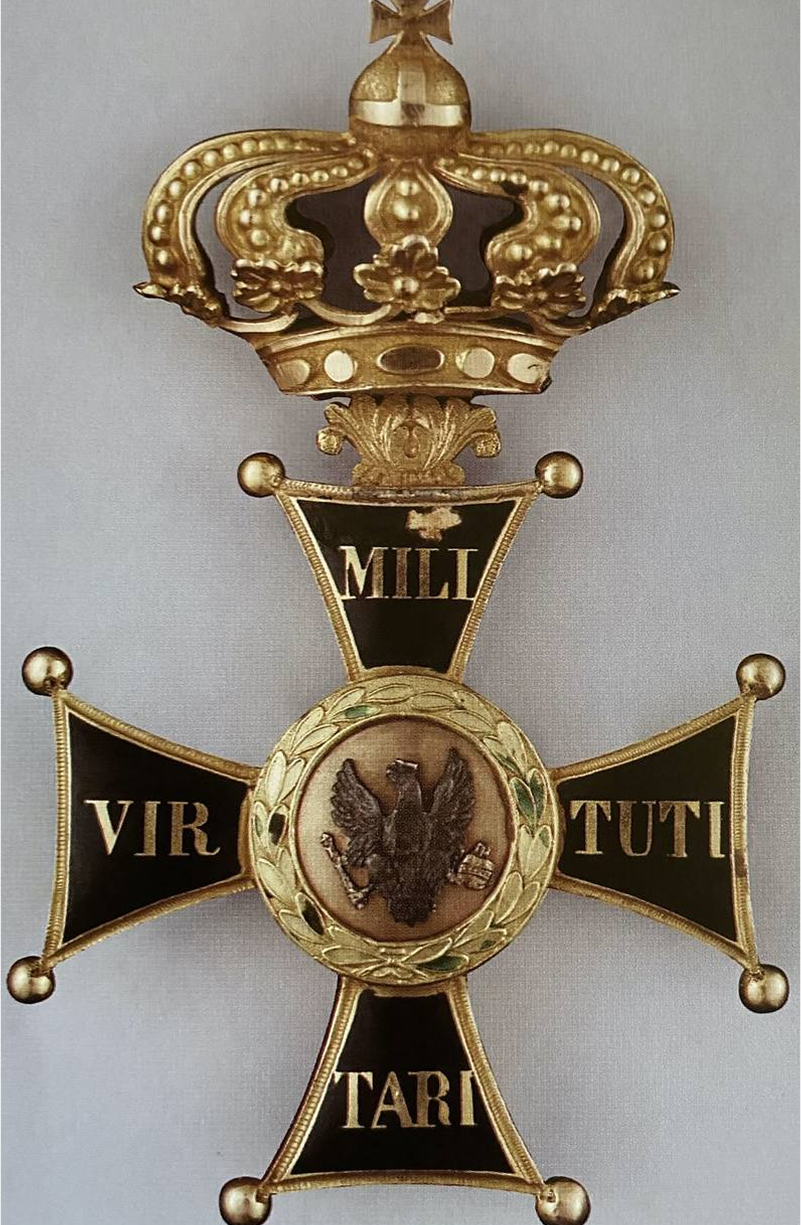
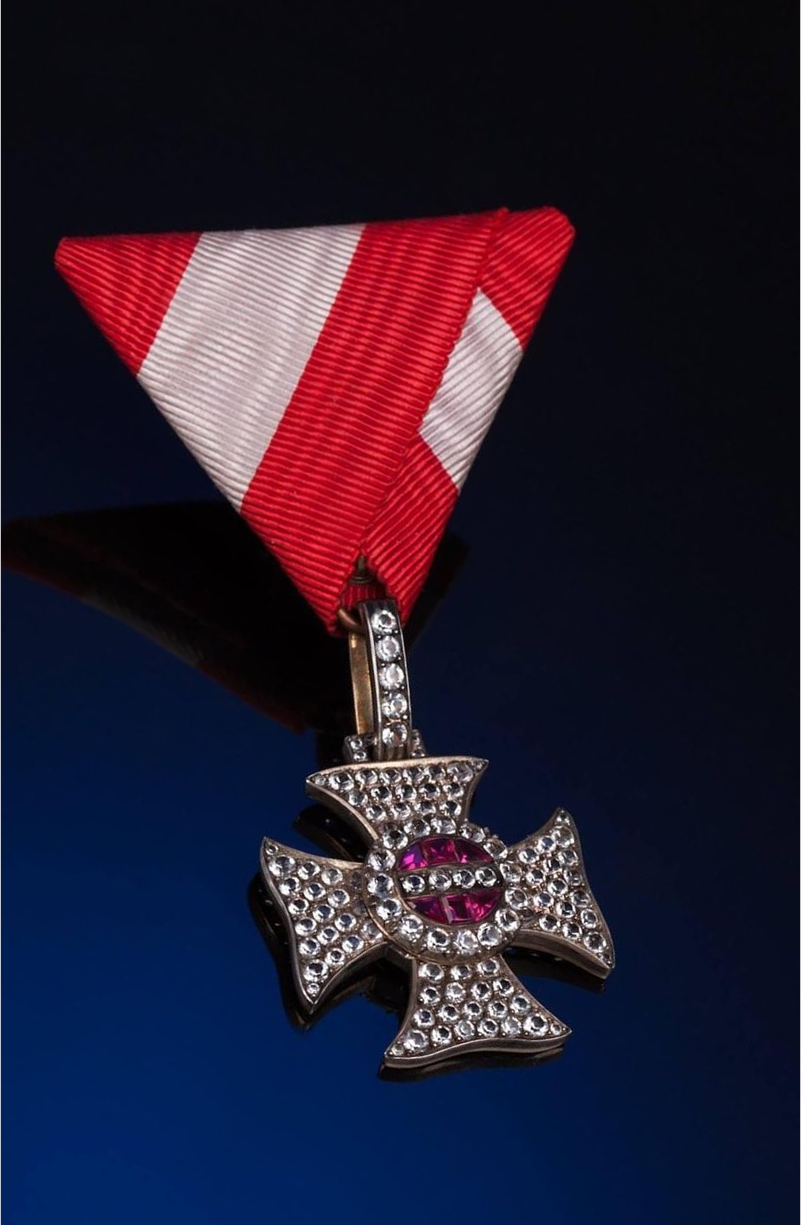
Military Orders: Awarded for bravery or service in war (e.g., Iron Cross, Order of St. George, Military Order of Maria Theresa)
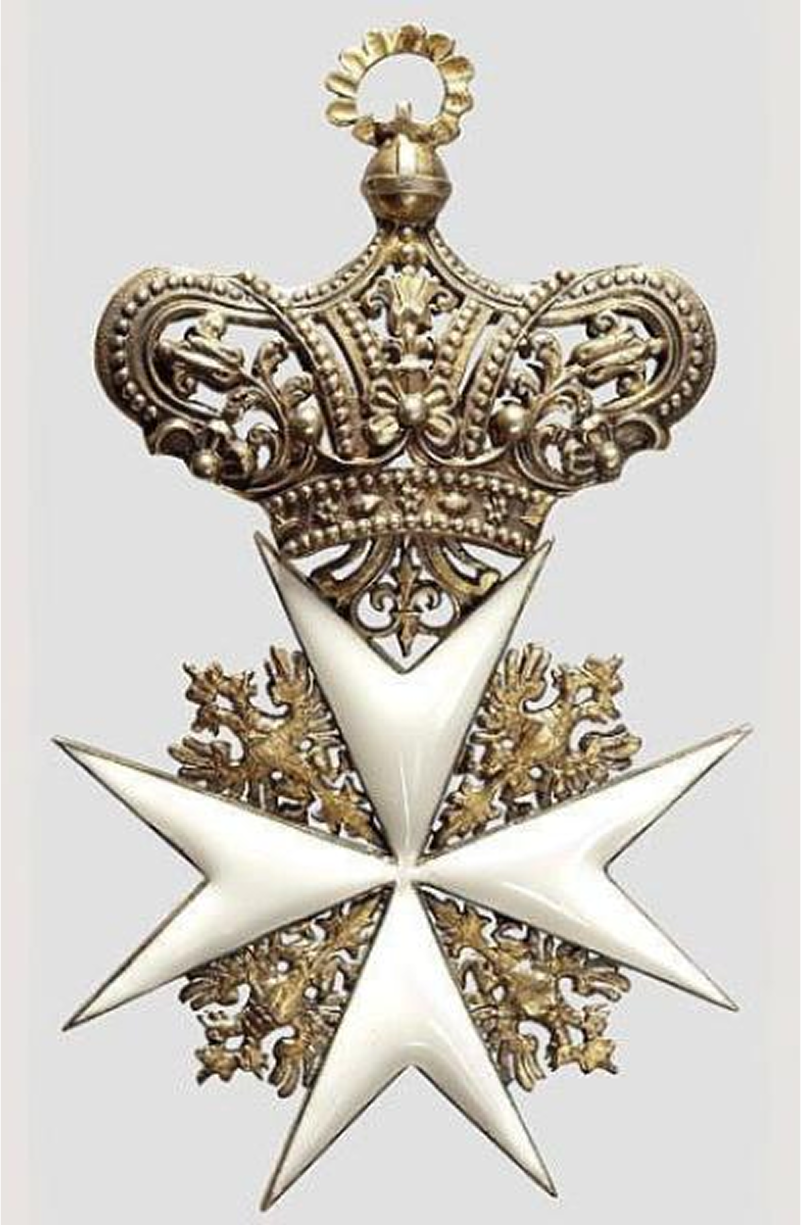
Chivalric Orders: Knightly orders conferred by monarchs or noble houses (e.g., Order of the Golden Fleece, Order of Malta)
Civil Orders: Recognizing merit in science, art, administration, or diplomacy
Religious Orders: Issued by the Vatican or associated with ecclesiastical traditions
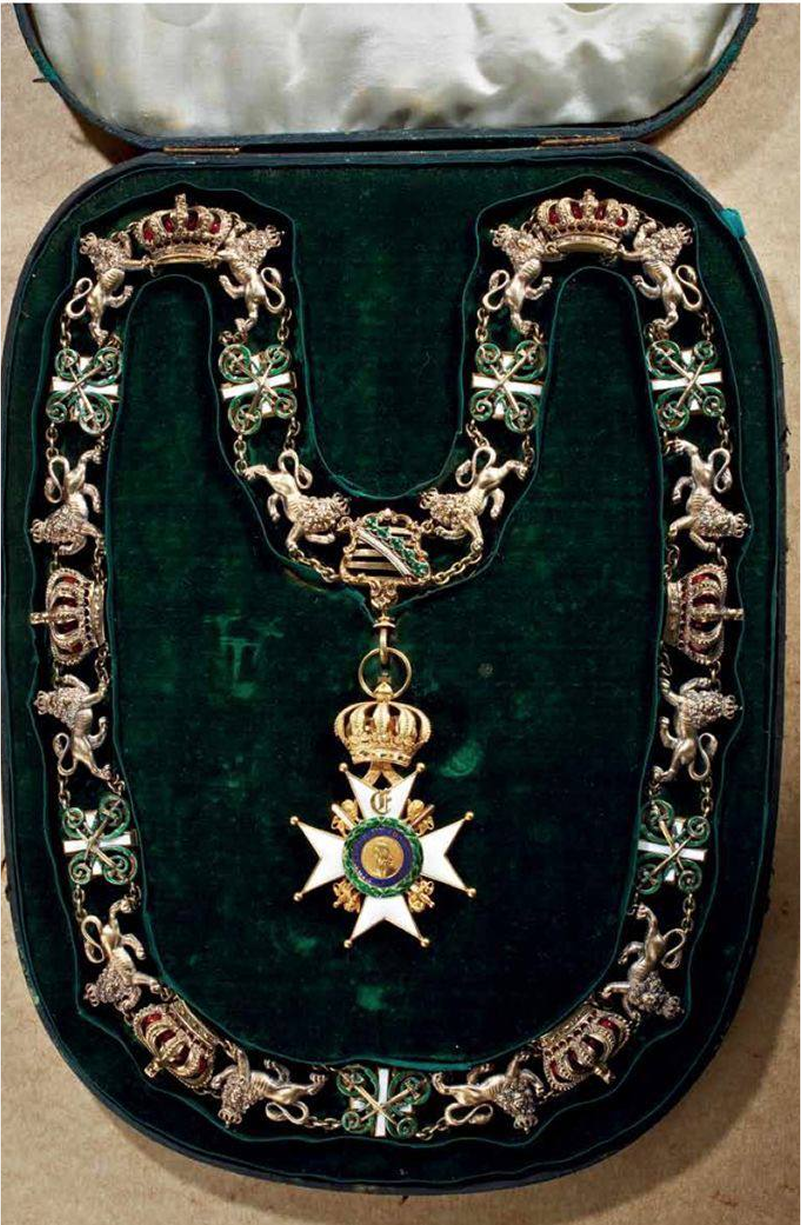
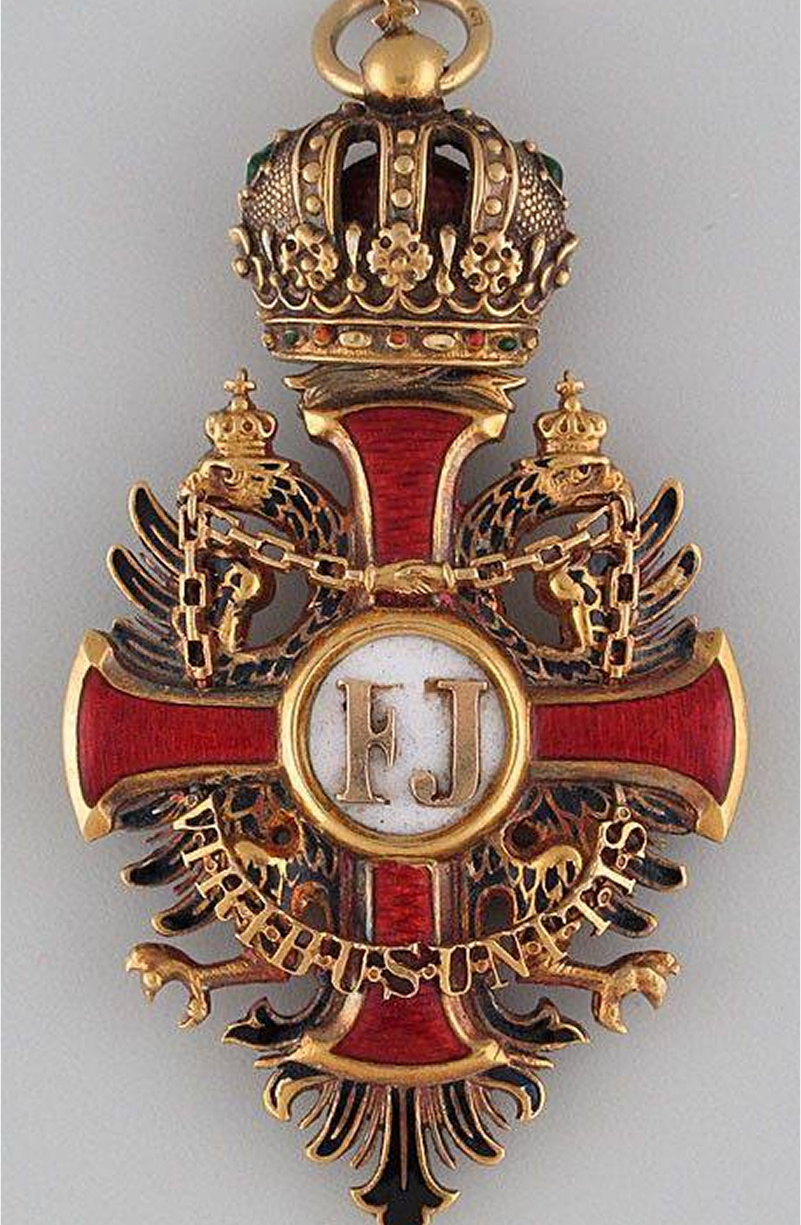
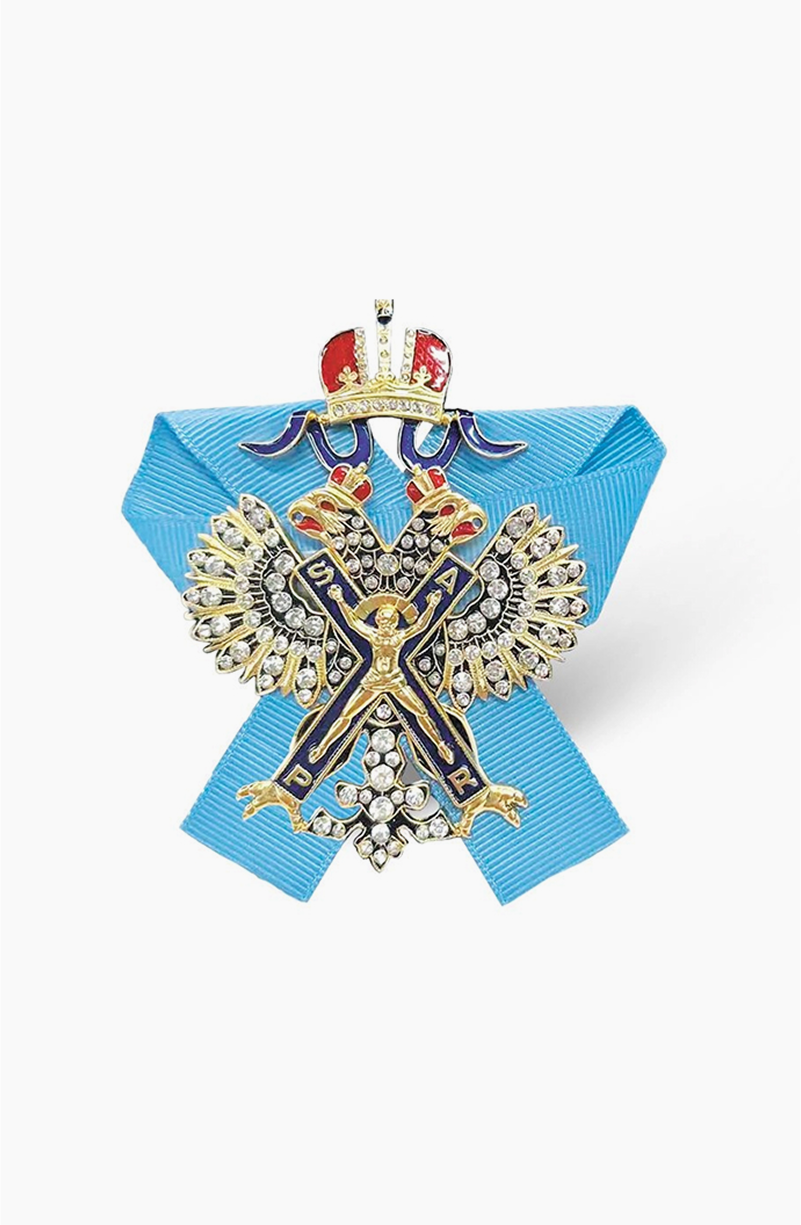
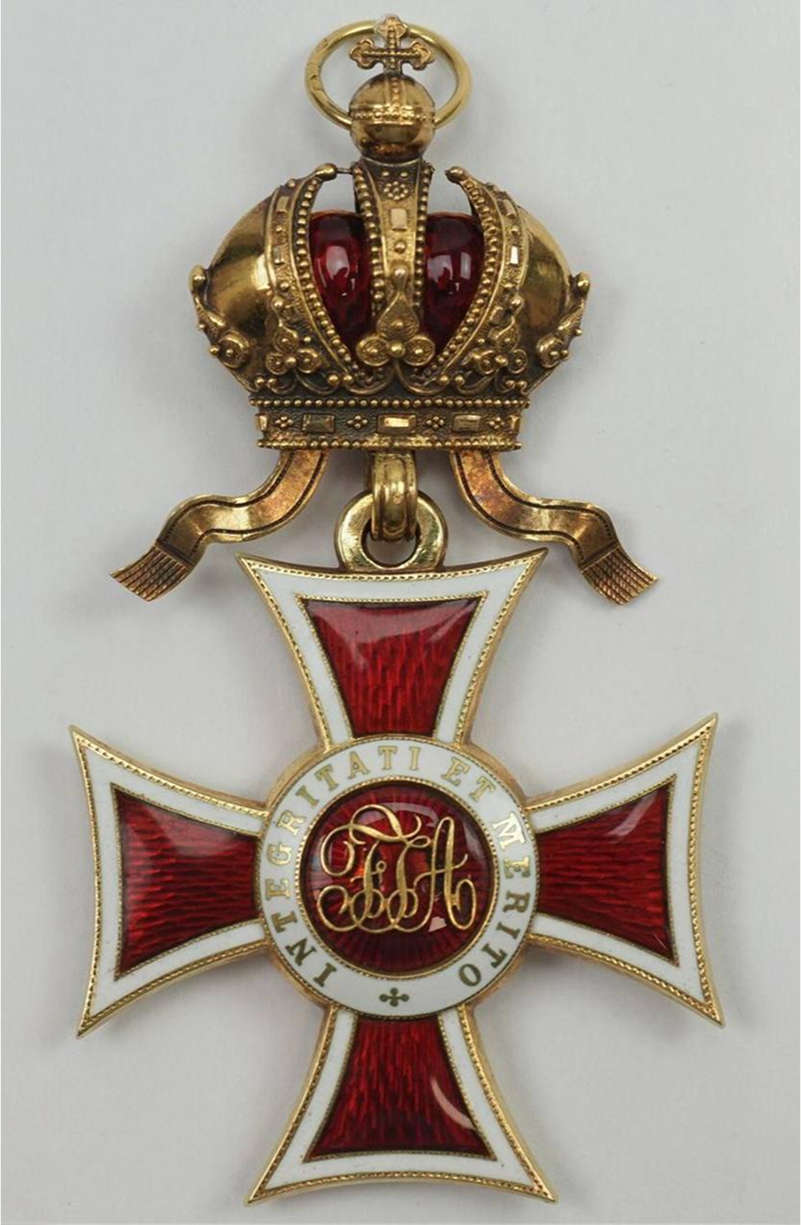
Imperial and Royal Orders: Associated with empires and monarchies, often in multiple classes (Grand Cross, Commander, Officer, etc.)
Orders may come with sashes, stars, miniature badges, and accompanying documents or cases.
Types of Antique Orders
Antique orders can be classified based on origin, purpose, and status. Common categories include:
Military Orders: Awarded for bravery or service in war (e.g., Iron Cross, Order of St. George, Military Order of Maria Theresa)
Chivalric Orders: Knightly orders conferred by monarchs or noble houses (e.g., Order of the Golden Fleece, Order of Malta)
Civil Orders: Recognizing merit in science, art, administration, or diplomacy
Religious Orders: Issued by the Vatican or associated with ecclesiastical traditions
Imperial and Royal Orders: Associated with empires and monarchies, often in multiple classes (Grand Cross, Commander, Officer, etc.)
Orders may come with sashes, stars, miniature badges, and accompanying documents or cases.
How to Evaluate Antique Orders?
Key aspects to consider when evaluating antique orders:
Authenticity: Beware of replicas. Check enamel quality, detailed craftsmanship, original ribbon materials, and hallmarking.
Condition: Intact enamel, original ribbons, and undamaged metalwork increase value. Restoration can lower desirability unless documented and professional.
Rarity and Class: Higher ranks (e.g., Grand Cross), short-lived or rarely awarded orders are more valuable.
Provenance: Orders with named certificates, issuance documents, or tied to known historical figures or battles carry greater significance.
Maker’s Mark: Orders made by prestigious jewelers or state mints (e.g., Rothe, Godet, Bertrand) are highly collectible.
Historical Importance: Awards from abolished regimes or defunct dynasties often have both historical and collector appeal.
Specialist appraisers or numismatists familiar with phaleristics (the study of medals and orders) are best qualified to authenticate and evaluate.
How to Sell Antique Orders?
Antique orders are part of a regulated collectibles market in Europe. Selling options include:
Specialist Auction Houses: Hermann Historica (Germany), La Galerie Numismatique (Monaco), and Morton & Eden (UK) handle orders and medals
Militaria Dealers: Reputable European militaria shops and fairs such as the Kassel and Ciney shows specialize in antique orders
Collectors’ Associations: Phaleristics groups often facilitate private sales to serious collectors
Museums and Foundations: Certain state or military museums may be interested in rare or historically significant pieces
Online Platforms: Catawiki, eMedals, and specialized militaria forums allow access to international buyers — always check compliance with local laws
Be sure to provide clear photographs, full documentation (if available), and condition details. Some countries restrict the sale of certain orders or war-related medals, so legal guidance may be necessary.