

What we buy
Buying and evaluating your Antique Statues and Sculptures

What They Are, How to Evaluate Them &
What Types Are Most Valuable
What Qualifies as Antique Statues and Sculptures?
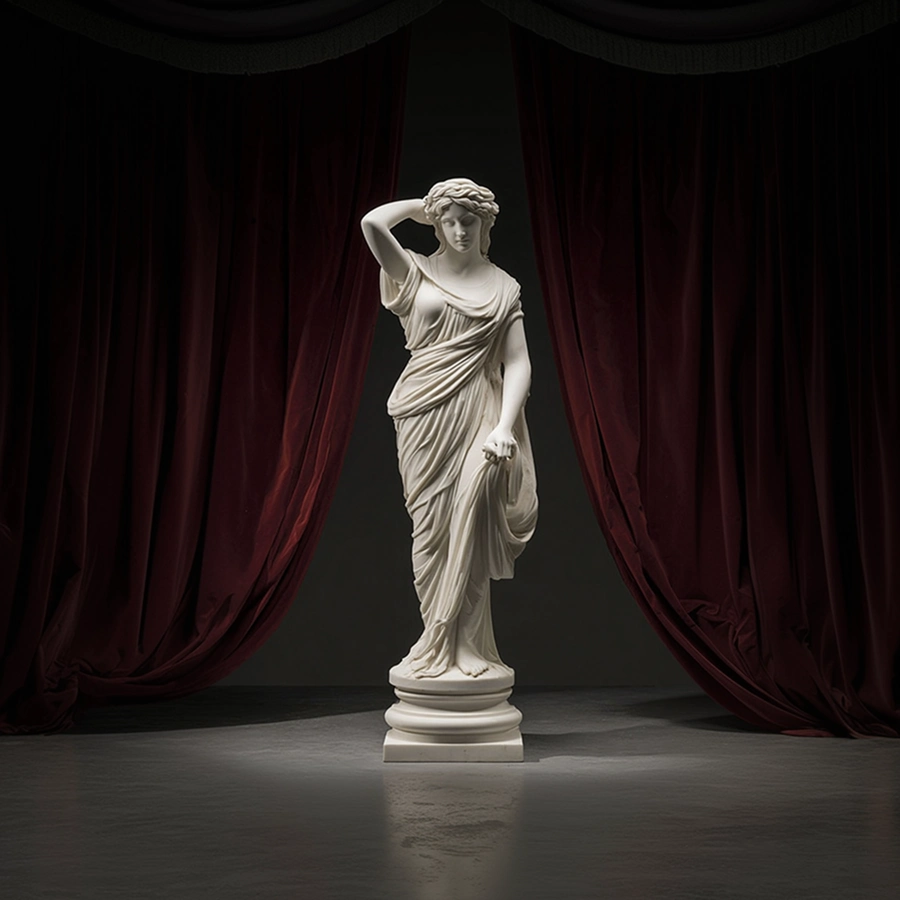
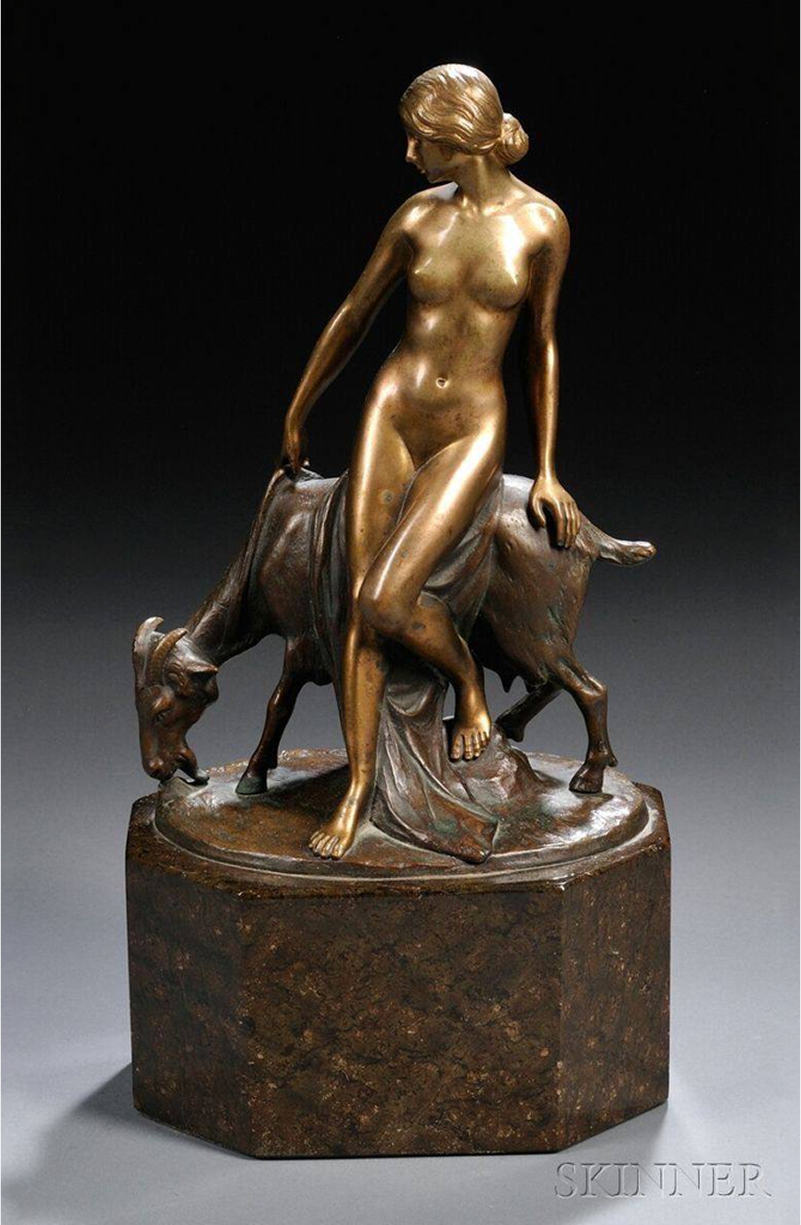
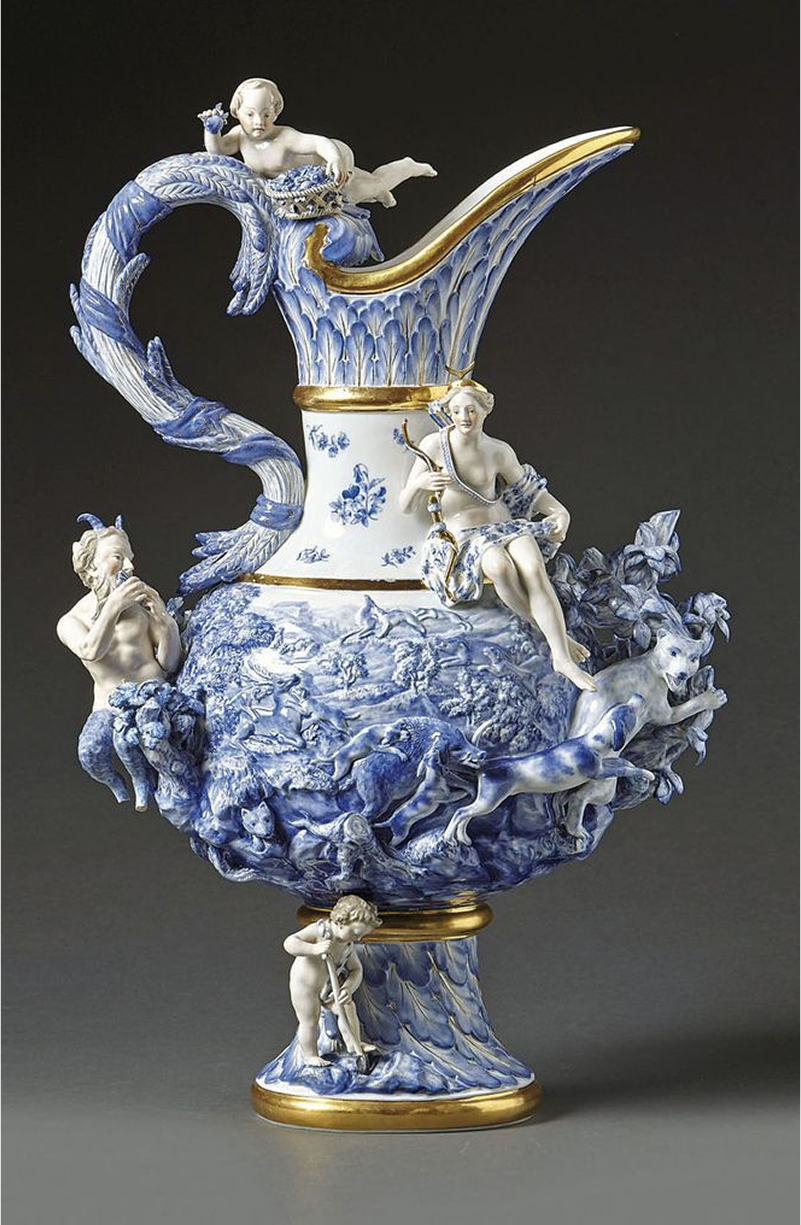
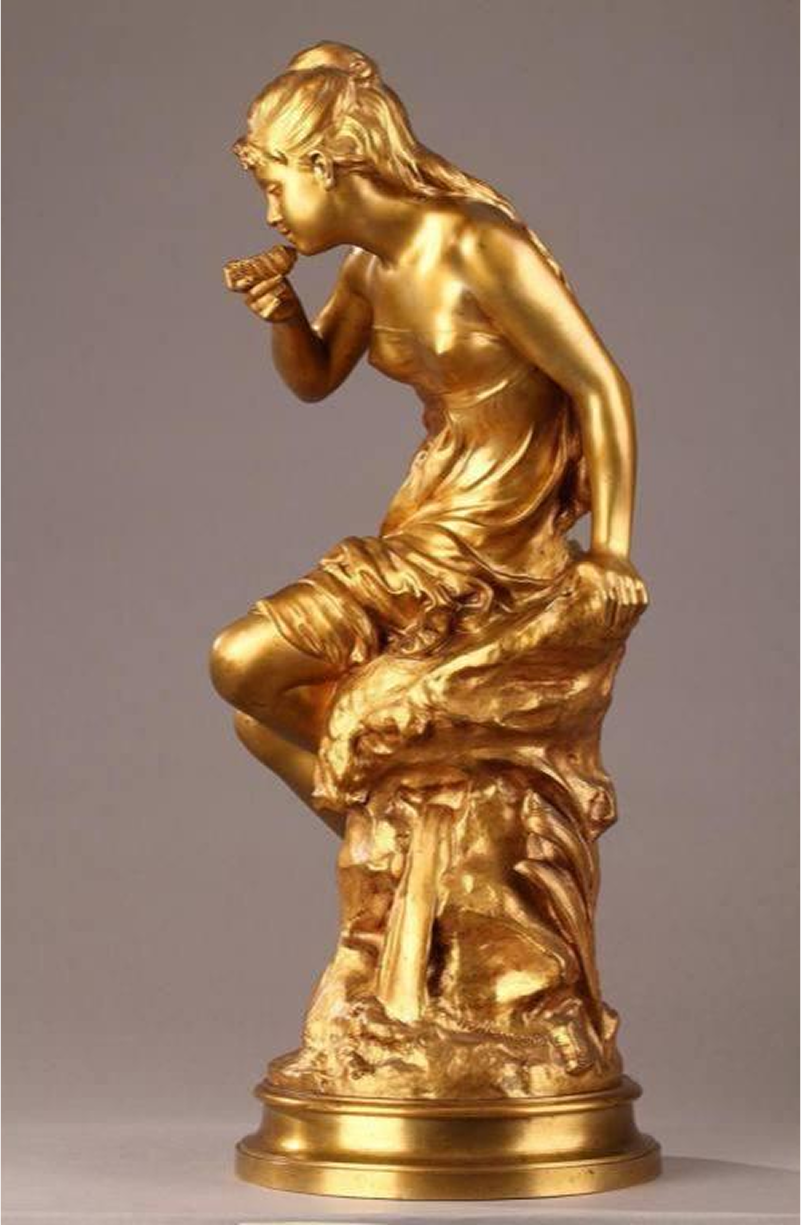
Antique statues and sculptures are typically defined as three-dimensional artworks created at least 100 years ago. These pieces may be made from stone, bronze, wood, marble, terracotta, or other traditional materials and are often tied to historical, cultural, or religious contexts.
To qualify as antique, a sculpture must reflect the artistic style, craftsmanship, and materials characteristic of its period—whether it’s a classical Roman bust, a medieval wooden saint, or a 19th-century neoclassical marble figure. Age, provenance, artistic merit, and historical significance are key factors in defining true antique status.
What They Are, How to Evaluate Them & What Types Are Most Valuable
What Qualifies as Antique Statues and Sculptures?
Antique statues and sculptures are typically defined as three-dimensional artworks created at least 100 years ago. These pieces may be made from stone, bronze, wood, marble, terracotta, or other traditional materials and are often tied to historical, cultural, or religious contexts.
To qualify as antique, a sculpture must reflect the artistic style, craftsmanship, and materials characteristic of its period—whether it’s a classical Roman bust, a medieval wooden saint, or a 19th-century neoclassical marble figure. Age, provenance, artistic merit, and historical significance are key factors in defining true antique status.
Types of Antique Statues and Sculptures
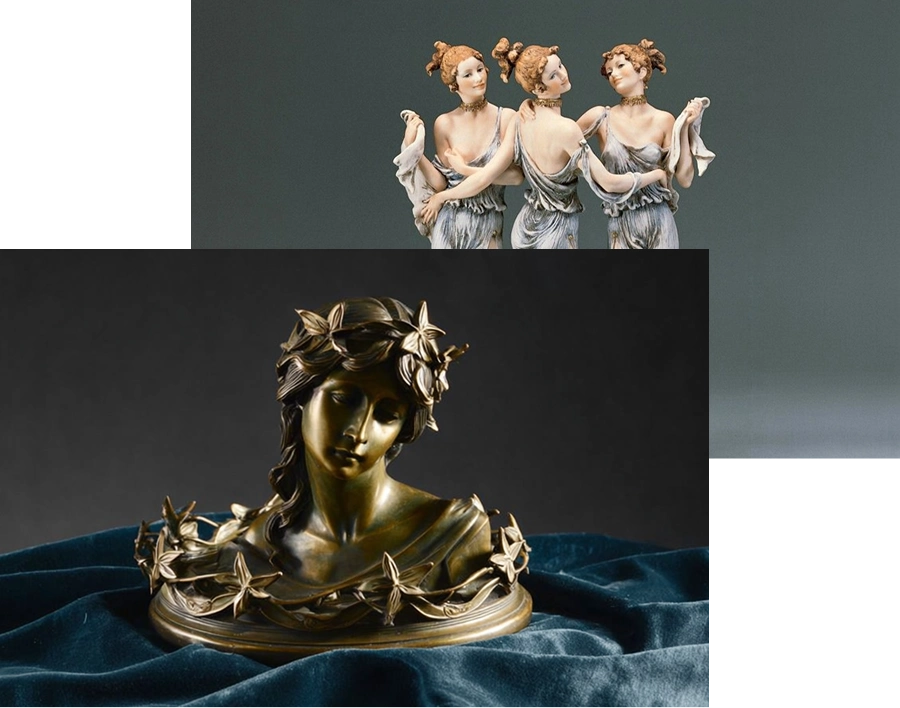
Antique sculptures span a wide variety of styles, materials, and purposes. Common categories include:
Classical Antiquity: Greek, Roman, or Etruscan stone or bronze figures; often mythological or funerary in nature
Religious Art: Medieval or Renaissance ecclesiastical sculptures of saints, angels, or Christ; often made of wood or stone
Architectural Sculpture: Gargoyles, friezes, capitals, and reliefs from historic buildings
Portrait Busts: Neoclassical or Baroque busts made of marble or terracotta
Garden Statues: 18th–19th century marble or cast iron figures designed for estates
Asian Antiquities: Buddhist bronzes, Hindu deities, or carved stone guardian figures
Each type is valued based on its cultural origin, condition, materials, and artistic style.
Types of Antique Statues and Sculptures
Antique sculptures span a wide variety of styles, materials, and purposes. Common categories include:
Classical Antiquity: Greek, Roman, or Etruscan stone or bronze figures; often mythological or funerary in nature
Religious Art: Medieval or Renaissance ecclesiastical sculptures of saints, angels, or Christ; often made of wood or stone
Architectural Sculpture: Gargoyles, friezes, capitals, and reliefs from historic buildings
Portrait Busts: Neoclassical or Baroque busts made of marble or terracotta
Garden Statues: 18th–19th century marble or cast iron figures designed for estates
Asian Antiquities: Buddhist bronzes, Hindu deities, or carved stone guardian figures
Each type is valued based on its cultural origin, condition, materials, and artistic style.
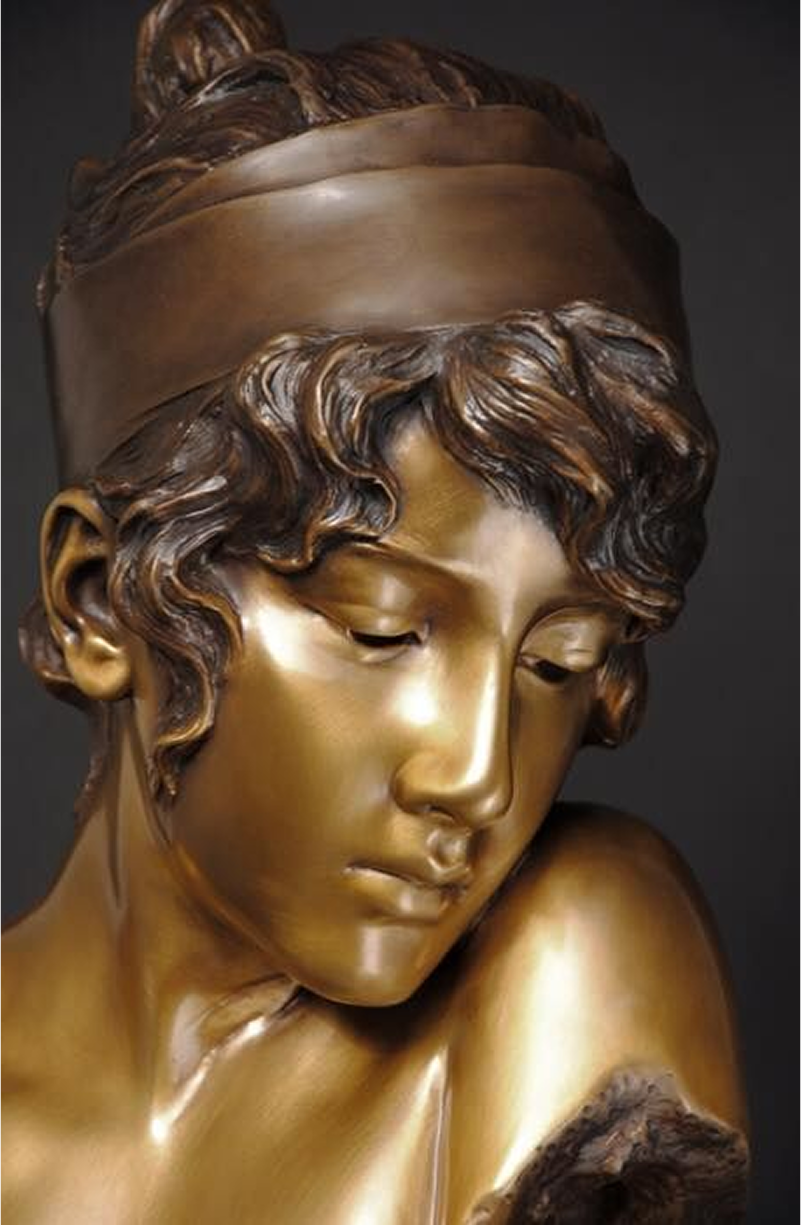
How to Evaluate Antique Statues and Sculptures?
When evaluating antique sculptures, consider the following:
Authenticity: Look for stylistic consistency, tool marks, patina, and period-specific techniques. Scientific testing (e.g., thermoluminescence for terracotta) may be required.
Material and Craftsmanship: High-quality materials (e.g., Carrara marble, bronze casting) and exceptional hand-carving increase value.
Condition: Cracks, repairs, missing parts, or signs of restoration can impact worth. Some natural aging is expected and acceptable.
Size and Rarity: Larger and rarer works, particularly signed or by known artists, can be significantly more valuable.
Provenance: Documented history of ownership, museum inclusion, or prior exhibition adds credibility and market appeal.
Artist or Workshop: Works by recognized sculptors or famous ateliers command higher interest and prices.
A professional appraisal or evaluation by an art historian or antiquities expert is highly recommended.
How to Sell Antique Statues and Sculptures in Europe?
There are several established routes for selling antique sculpture in Europe:
Art and Antique Dealers: Specialized galleries in cities like Paris, Rome, Vienna, or Brussels actively buy and sell sculptures.
Auction Houses: Christie’s, Sotheby’s, Dorotheum, and Bonhams often feature sculpture in decorative arts or antiquities sales.
Art Fairs: Events like TEFAF (Maastricht), BRAFA (Brussels), or Fine Arts Paris bring high-end buyers together.
Online Marketplaces: Platforms like 1stDibs, Catawiki, and Invaluable allow global exposure with professional listings.
Museums and Foundations: For particularly rare or culturally significant items, institutions may be interested in acquisition.
Make sure to include professional photographs, provenance documents, and condition reports to support the authenticity and value of the sculpture.