

What we buy
Buying and evaluating your Antique Jewelry

What They Are, How to Evaluate Them &
What Types Are Most Valuable
What Qualifies as Antique Jewelry?
Antique jewelry is typically defined as a piece that is over 100 years old. These pieces are not only beautiful adornments but also historical artifacts that reflect the craftsmanship, design, and social customs of their time. Unlike vintage jewelry, which usually ranges from 20 to 99 years old, antique items carry more historical weight and are often handmade using techniques that are no longer common in modern manufacturing.
True antique jewelry is characterized by its age, authenticity, and the era in which it was made—such as the Georgian, Victorian, Edwardian, or Art Nouveau periods. These pieces often feature natural gemstones (as opposed to synthetic), high-karat gold or platinum, and intricate designs that may include motifs like flowers, serpents, or hearts, all of which held symbolic meaning.
What also distinguishes antique jewelry is its uniqueness. Since many pieces were custom-made or produced in small quantities, they are far less likely to have duplicates today. Original condition is important, though professional restorations—if done accurately—can maintain or even enhance value.
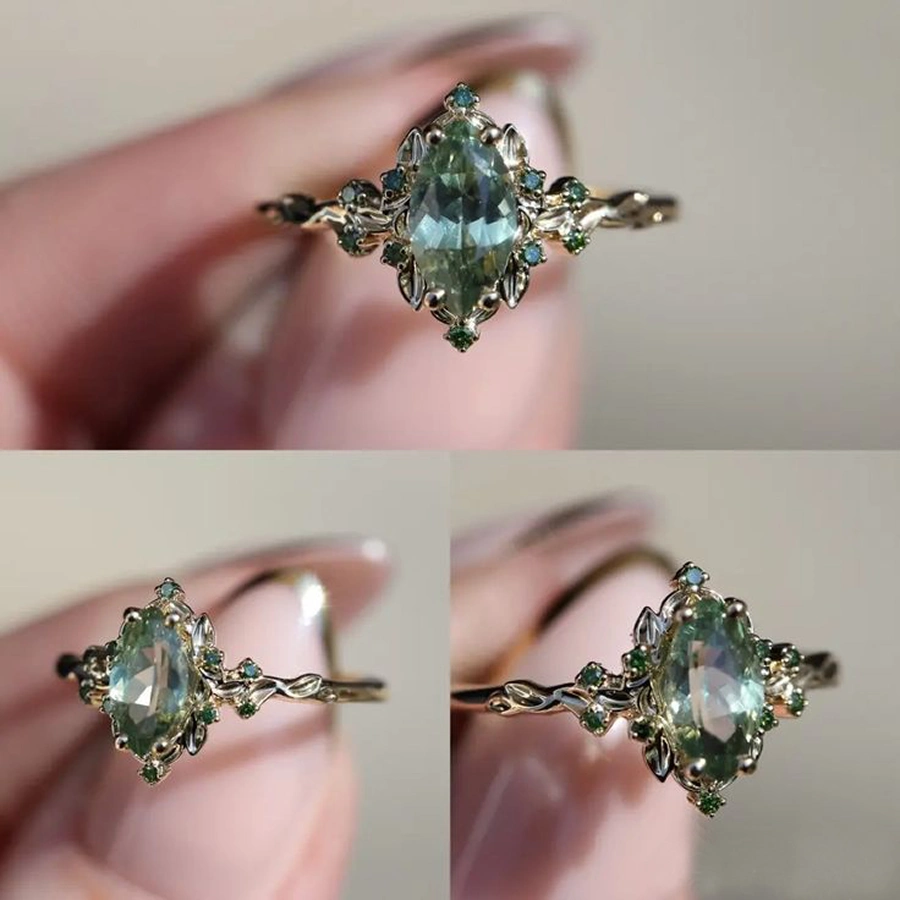
What They Are, How to Evaluate Them & What Types Are Most Valuable
What Qualifies as Antique Jewelry?
Antique jewelry is typically defined as a piece that is over 100 years old. These pieces are not only beautiful adornments but also historical artifacts that reflect the craftsmanship, design, and social customs of their time. Unlike vintage jewelry, which usually ranges from 20 to 99 years old, antique items carry more historical weight and are often handmade using techniques that are no longer common in modern manufacturing.
True antique jewelry is characterized by its age, authenticity, and the era in which it was made—such as the Georgian, Victorian, Edwardian, or Art Nouveau periods. These pieces often feature natural gemstones (as opposed to synthetic), high-karat gold or platinum, and intricate designs that may include motifs like flowers, serpents, or hearts, all of which held symbolic meaning.
What also distinguishes antique jewelry is its uniqueness. Since many pieces were custom-made or produced in small quantities, they are far less likely to have duplicates today. Original condition is important, though professional restorations—if done accurately—can maintain or even enhance value.
Types of Antique Jewelry
Antique jewelry comes in a wide variety of styles and forms. Some of the most common categories include:
Victorian Jewelry (1837–1901): Often romantic and symbolic, with motifs like hearts, serpents, and flowers.
Edwardian Jewelry (1901–1915): Elegant, light, and lacy designs often using platinum and diamonds.
Georgian Jewelry (1714–1837): Rare, usually handmade, with detailed repoussé work and foil-backed stones.
Art Nouveau Jewelry (1890–1910): Flowing, nature-inspired designs featuring enamel and soft-colored stones.
Art Deco Jewelry (1920s–1930s): Bold, geometric shapes with vibrant stones and contrasting materials.
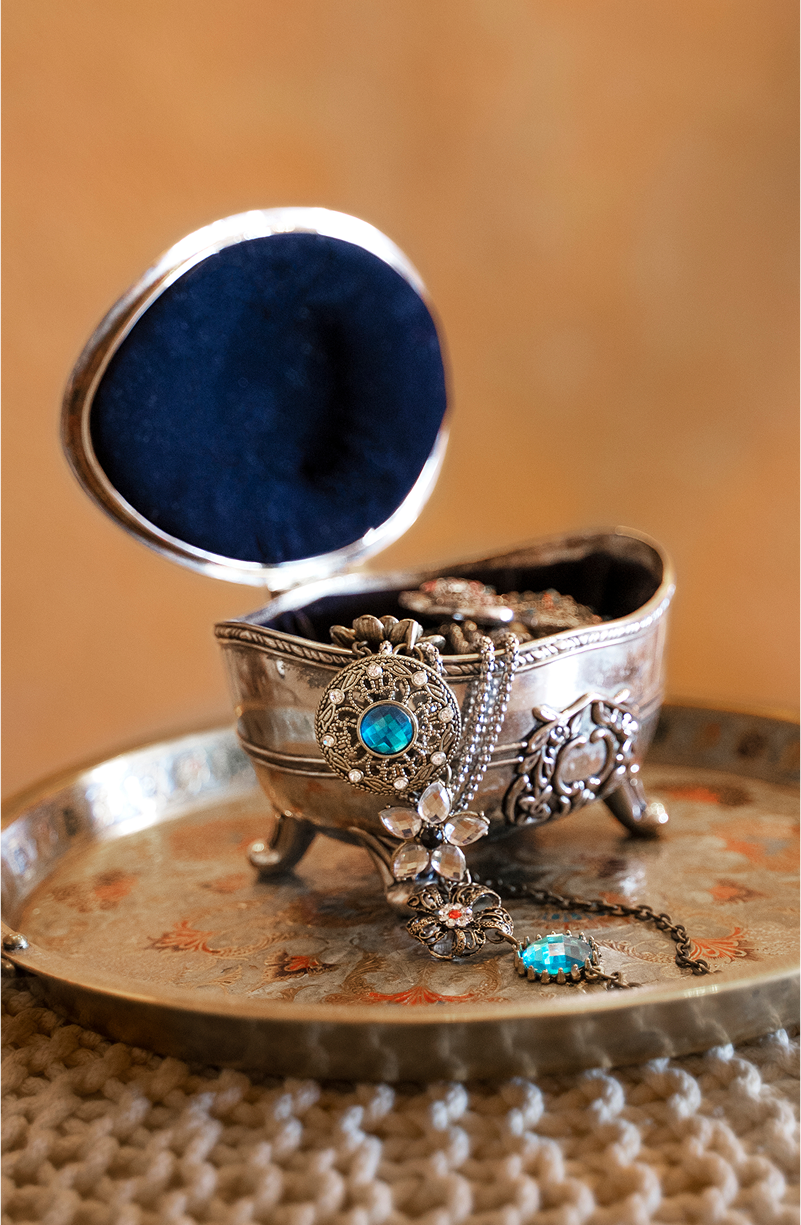
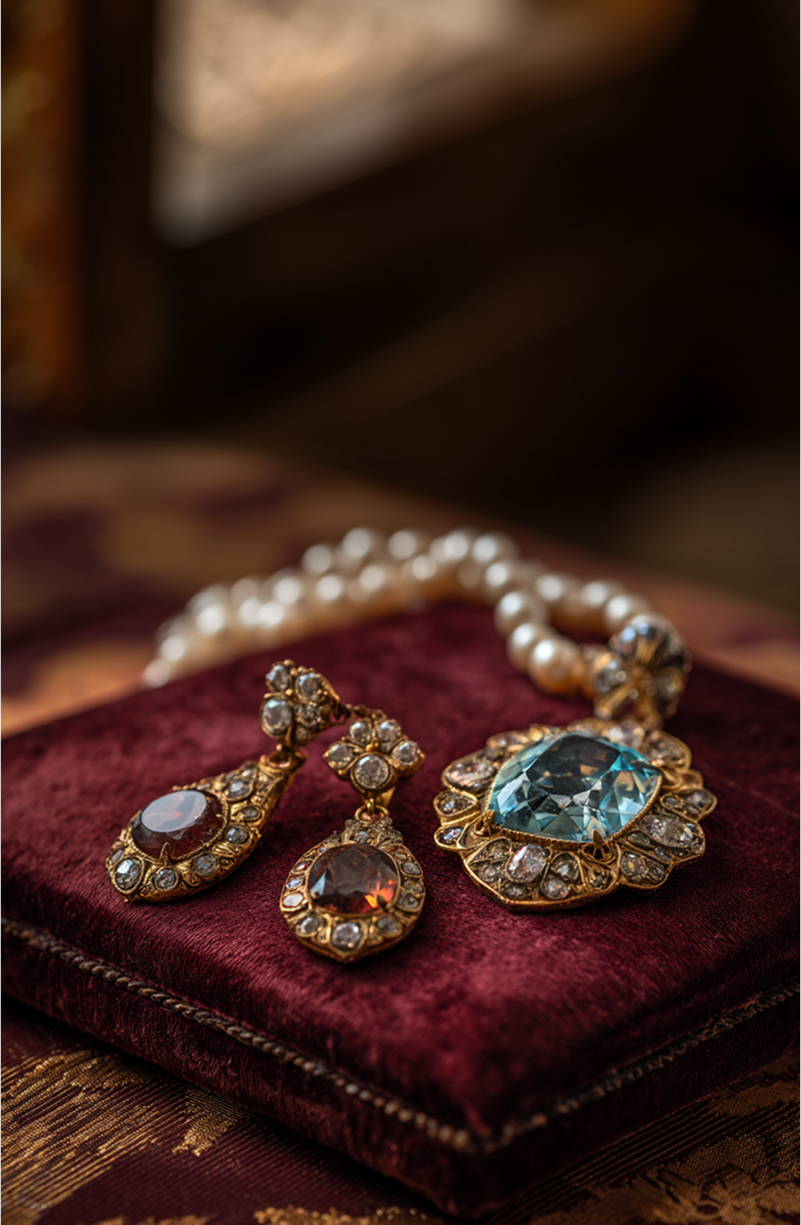
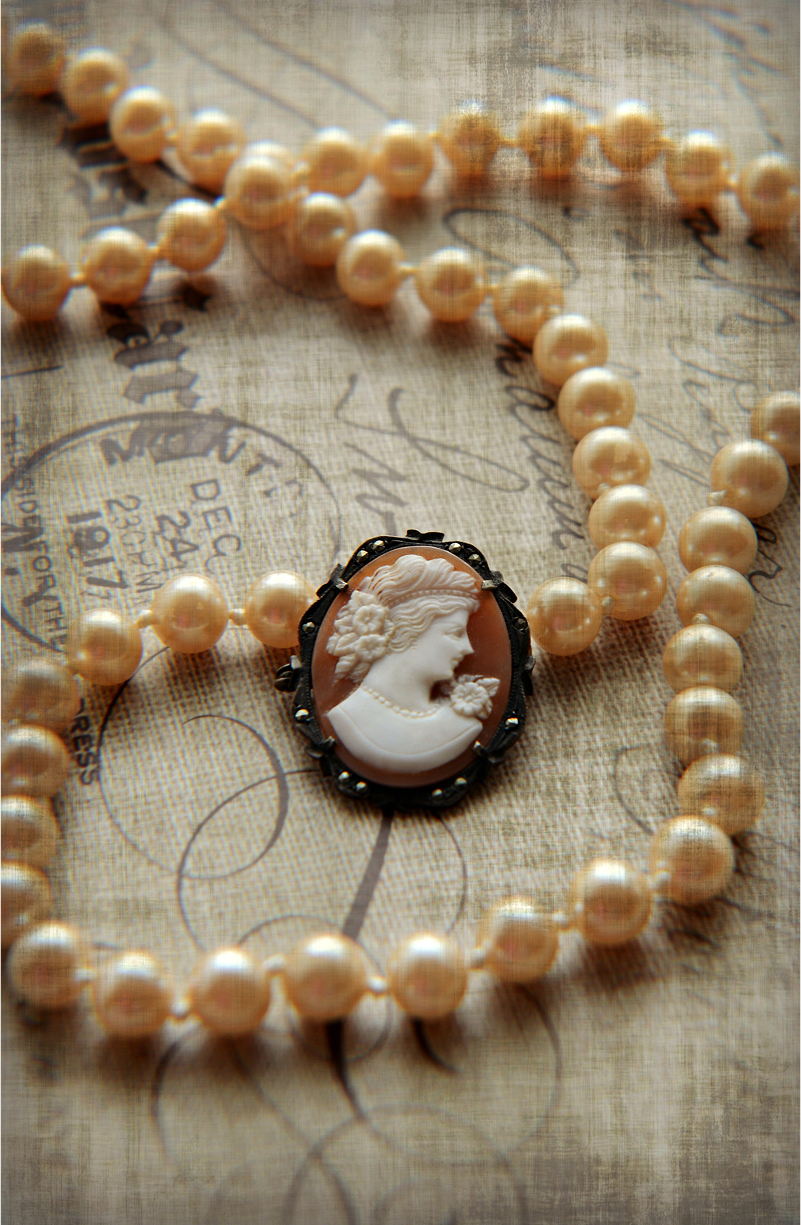
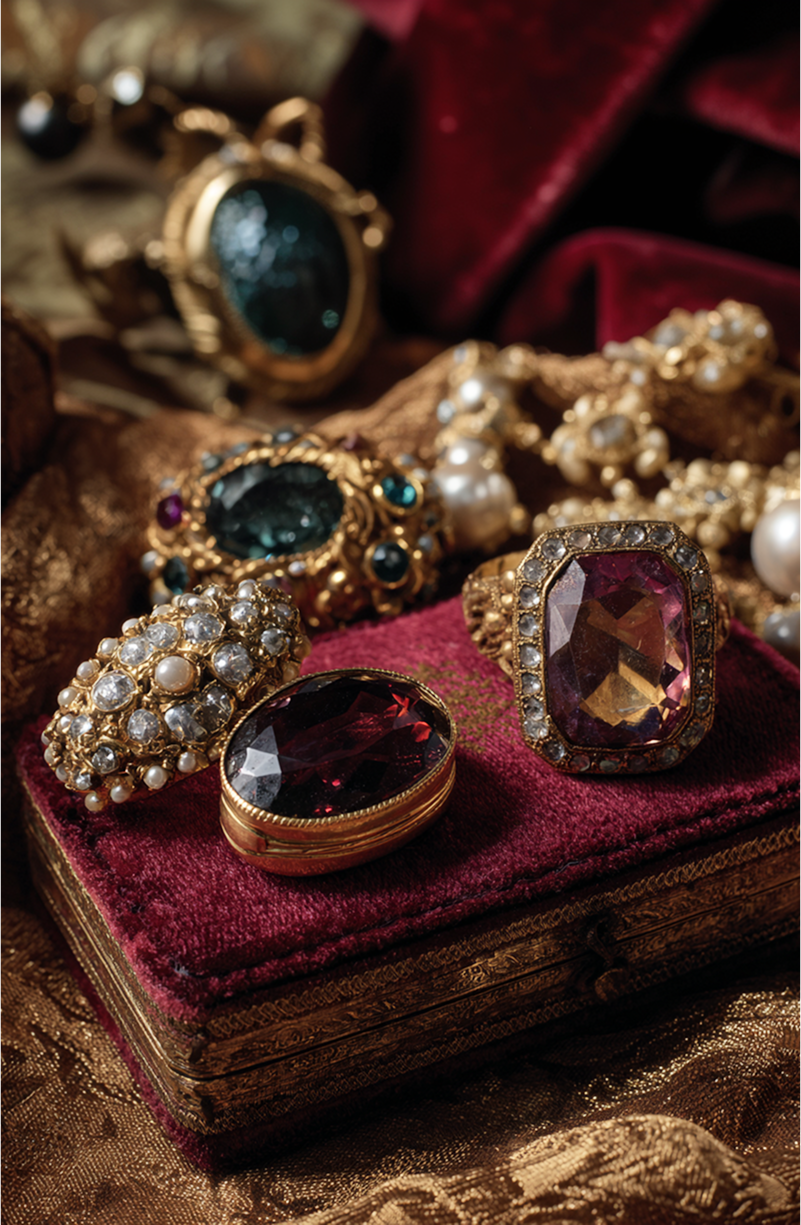
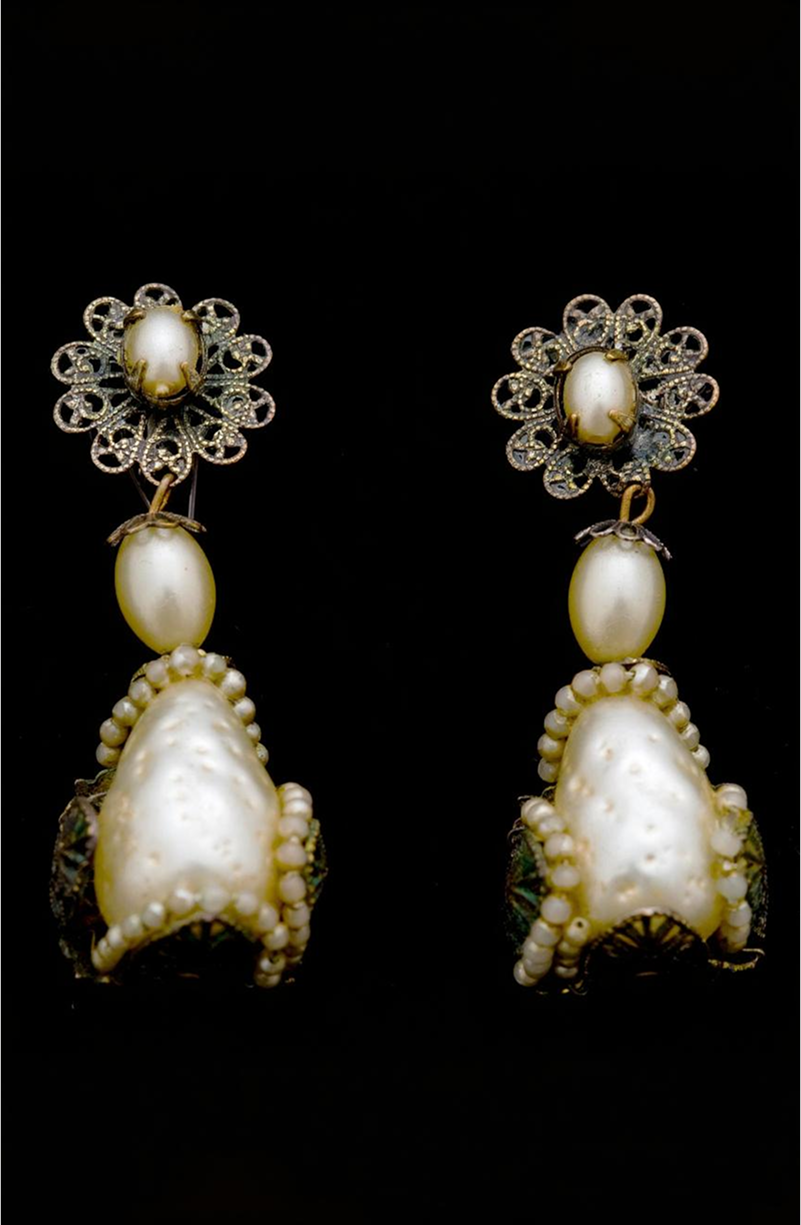
Antique jewelry may include rings, brooches, earrings, necklaces, pendants, and hairpieces.
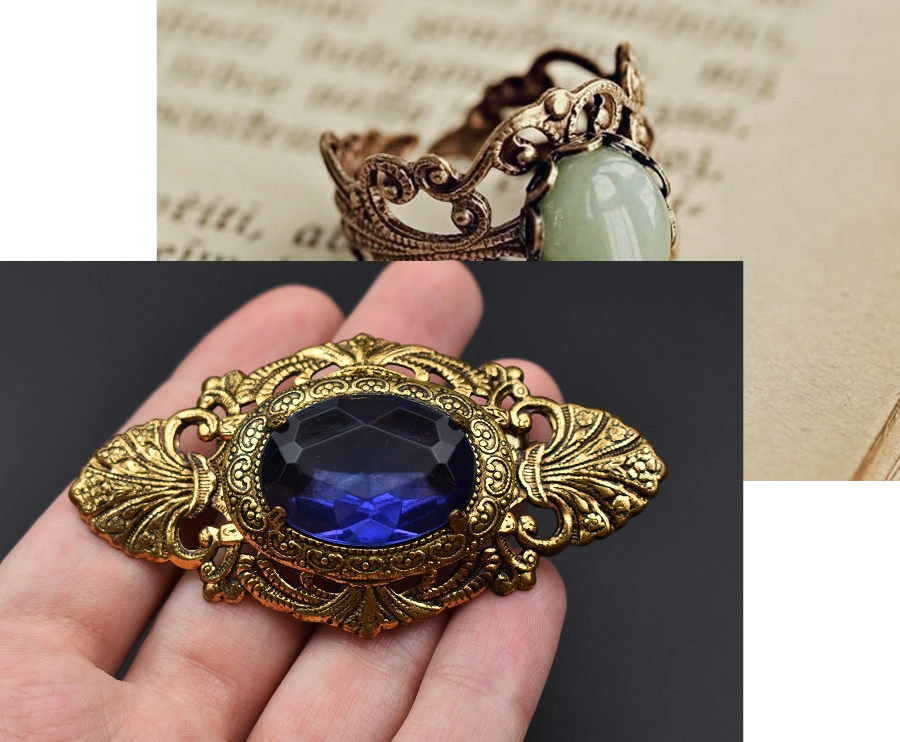
Types of Antique Jewelry
Antique jewelry comes in a wide variety of styles and forms. Some of the most common categories include:
Victorian Jewelry (1837–1901): Often romantic and symbolic, with motifs like hearts, serpents, and flowers.
Edwardian Jewelry (1901–1915): Elegant, light, and lacy designs often using platinum and diamonds.
Georgian Jewelry (1714–1837): Rare, usually handmade, with detailed repoussé work and foil-backed stones.
Art Nouveau Jewelry (1890–1910): Flowing, nature-inspired designs featuring enamel and soft-colored stones.
Art Deco Jewelry (1920s–1930s): Bold, geometric shapes with vibrant stones and contrasting materials.
Antique jewelry may include rings, brooches, earrings, necklaces, pendants, and hairpieces.
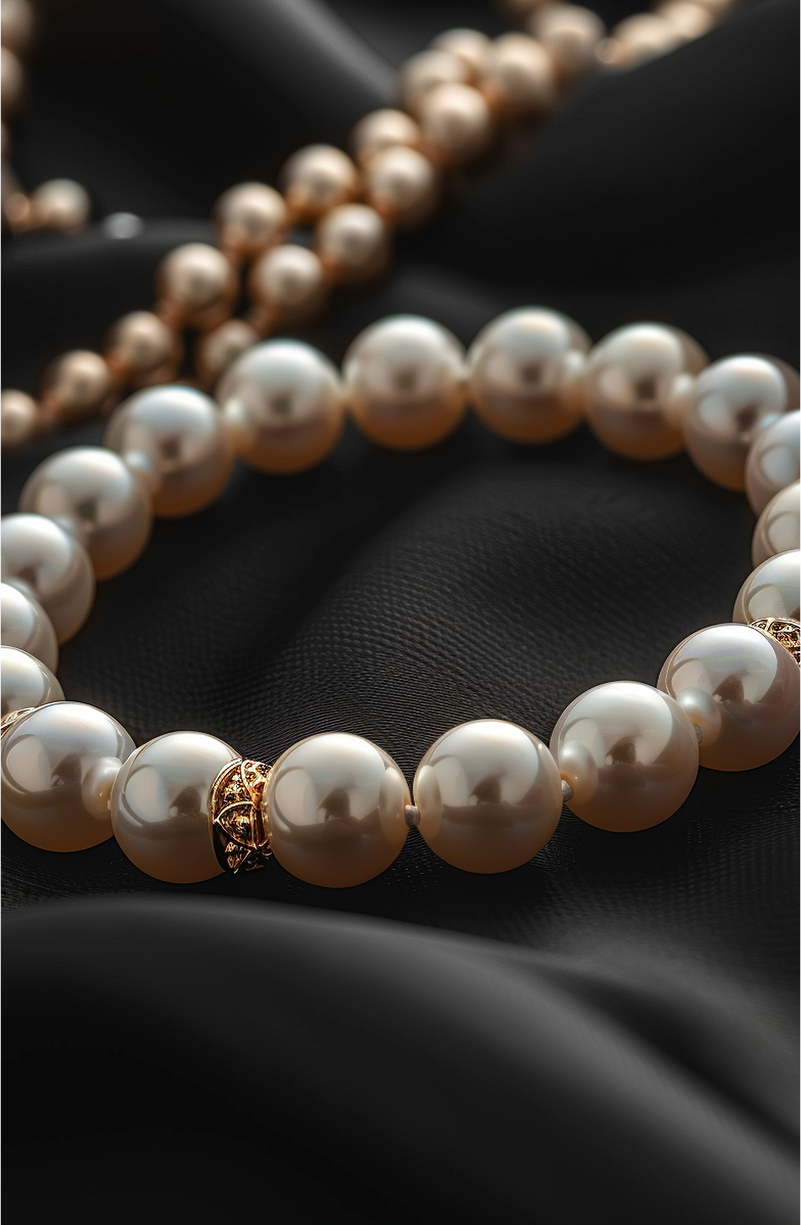
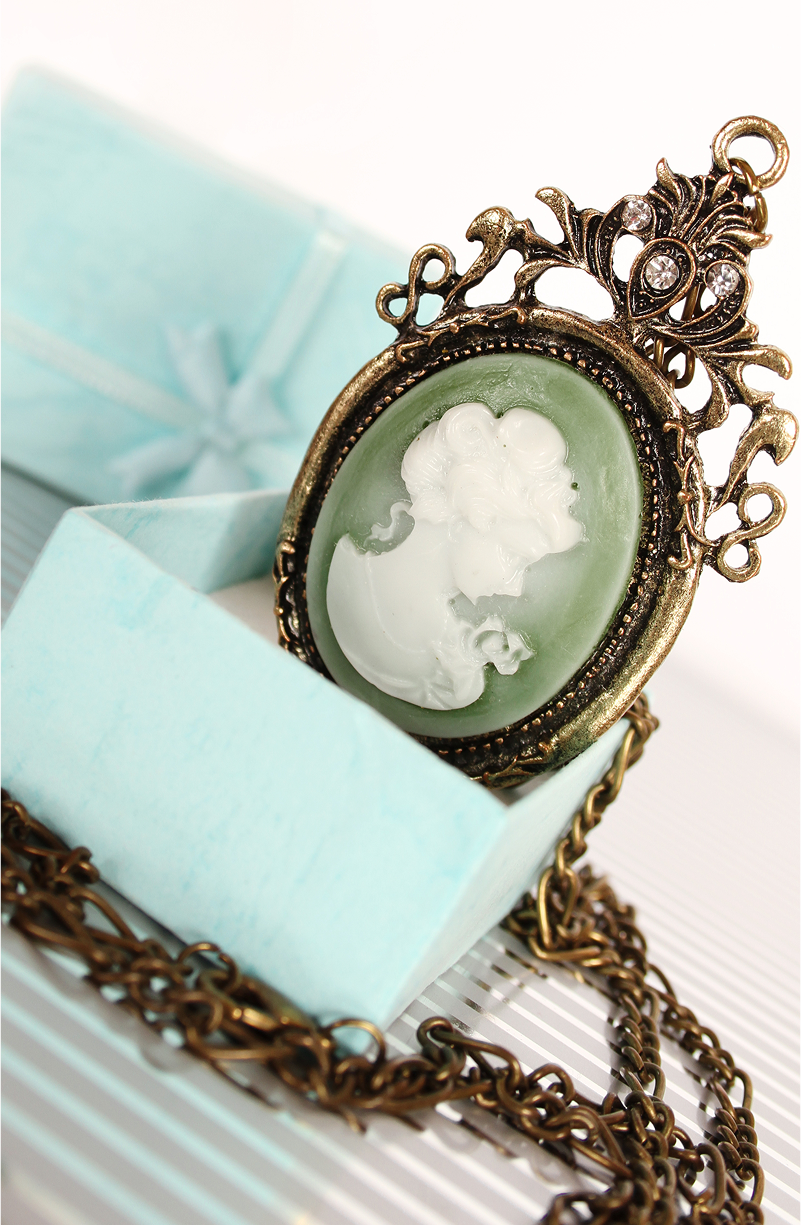
How to Evaluate Antique Jewelry?
Evaluating antique jewelry involves several key aspects:
Authenticity and Age: Confirm if the piece is truly antique (100+ years) and has not been heavily altered.
Condition: Chips, missing stones, or repairs can affect value — though minor wear is expected.
Materials: Use of high-quality metals (gold, platinum), natural gemstones, or rare materials increases value.
Craftsmanship: Handmade or intricately detailed pieces are typically more desirable.
Maker’s Mark or Signature: Renowned jewelers or brands (e.g., Fabergé, Cartier) greatly increase desirability.
Provenance: A documented history of ownership can add significant value, especially for high-end items.
Professional appraisal by a certified expert is recommended for accurate valuation.
How and Where to Sell Antique Jewelry in Europe?
Selling antique jewelry in Europe can be done through several trusted channels:
Auction Houses: Sotheby’s, Christie’s, Dorotheum, or regional specialists often hold antique jewelry auctions.
Antique Dealers: Local galleries and specialists in cities like Paris, Vienna, London, or Milan.
Online Marketplaces: Platforms like 1stDibs, Catawiki, or Chrono24 (for jeweled watches) offer access to global buyers.
Jewelry Fairs and Shows: High-end events like TEFAF in Maastricht or the Paris Biennale attract serious collectors.
Certified Appraisal & Documentation: Helps build buyer trust and command a higher price.
Choosing the right venue depends on the piece’s value, target audience, and your experience as a seller.